Materials
Browse 196 3D printing materials across 15 families. Each with unique properties for your project.
8 materials
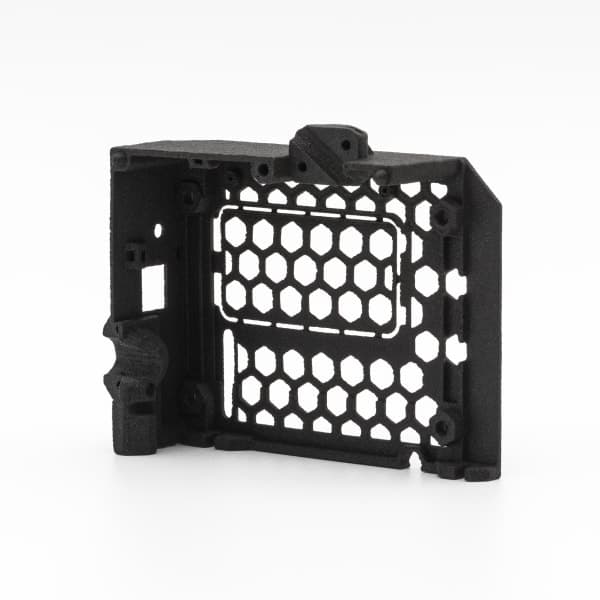
SLS Nylon PA12
Nylon PA12 is one of the most widely used SLS materials. It is a tough, versatile plastic with low moisture absorption and good chemical resistance for durable functional parts.
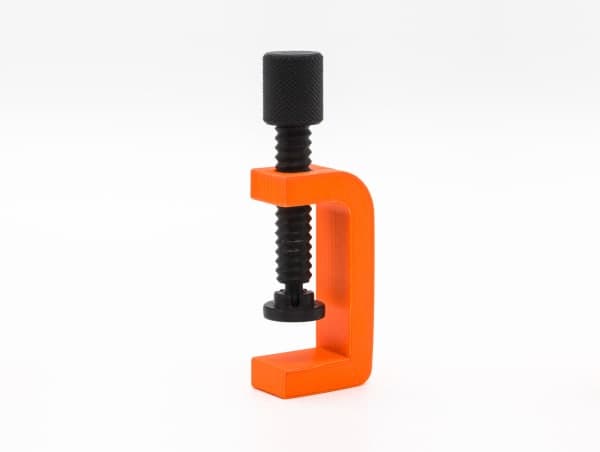
PETG
PETG offers good impact resistance and strong layer adhesion, plus reliable chemical and moisture resistance. It is a good choice for everyday functional parts.
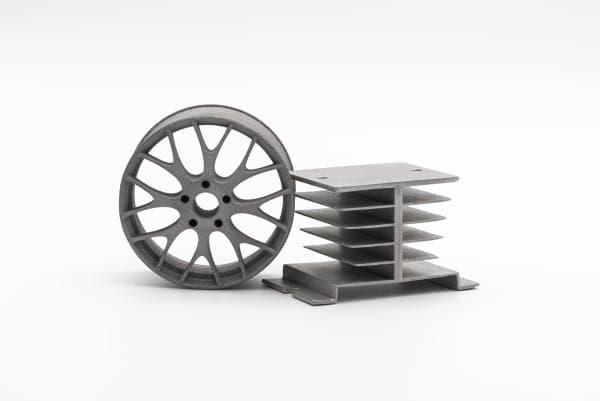
Aluminum (AlSi10Mg)
This strong and lightweight material features good thermal properties and is widely used for functional metal parts.
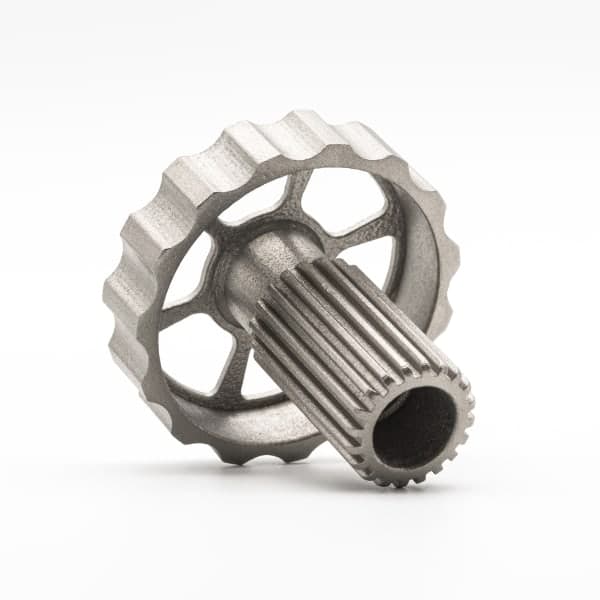
316L Stainless Steel
316L Stainless Steel is a highly durable alloy known for its corrosion resistance and versatility in both industrial and aesthetic applications.
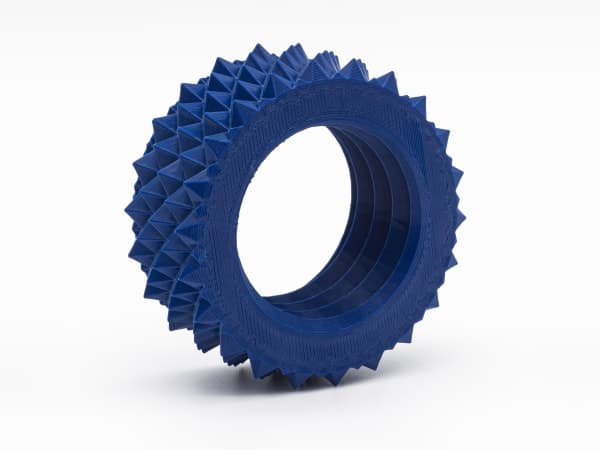
ABS
ABS is a durable, impact-resistant plastic with good heat tolerance, and is well suited to functional parts and prototypes that need to handle everyday stress.
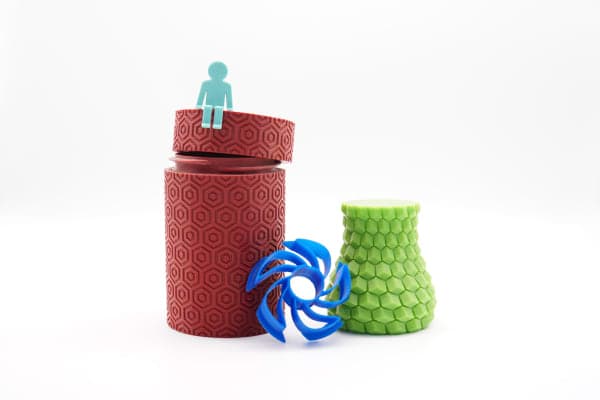
PLA
PLA is a low-cost, rigid plastic with excellent dimensional accuracy, and is a good choice for prototypes and functional parts that do not require strength or heat resistance.
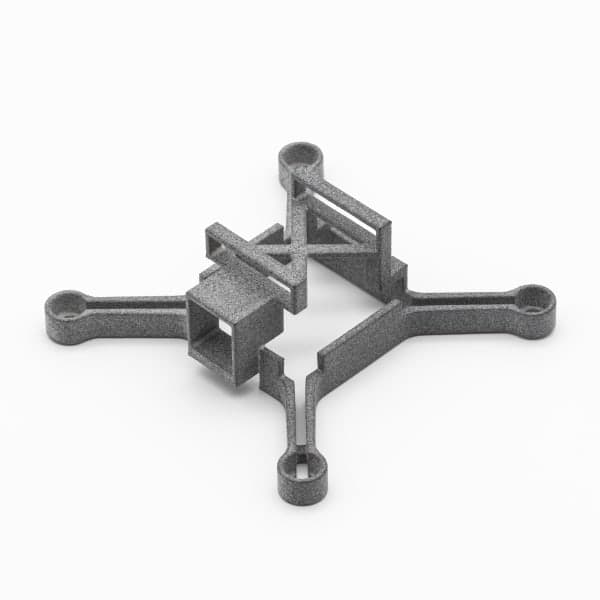
HP® MJF Nylon PA12
Developed by HP, MJF Nylon is a widely used material for strong and detailed end-use parts and prototypes.
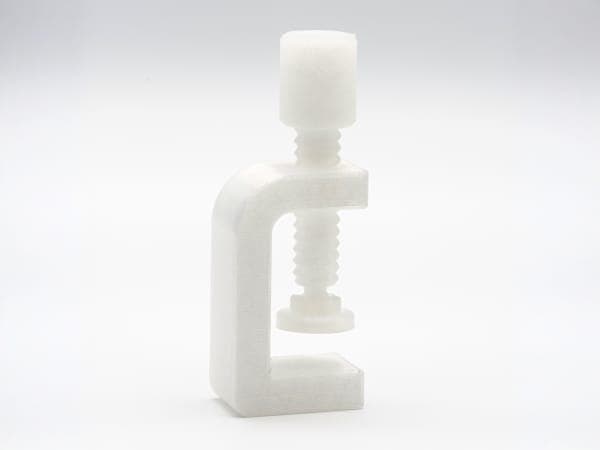
ASA
ASA is a durable plastic with outstanding UV and weather resistance, which makes it the top choice for parts exposed to prolonged sunlight and outdoor conditions.
21 materials
SLS Nylon PA12
Nylon PA12 is one of the most widely used SLS materials. It is a tough, versatile plastic with low moisture absorption and good chemical resistance for durable functional parts.
HP® MJF Nylon PA12
Developed by HP, MJF Nylon is a widely used material for strong and detailed end-use parts and prototypes.
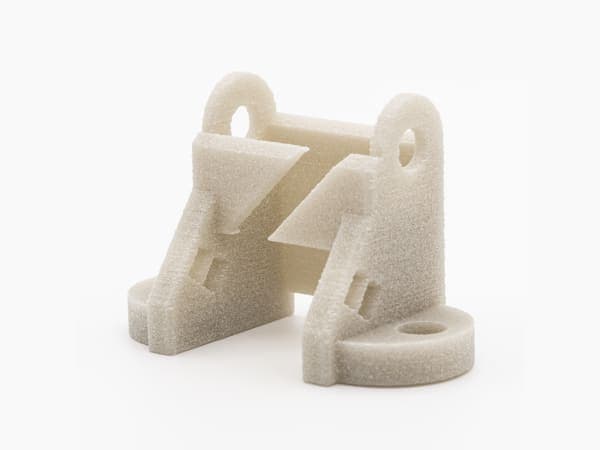
SLS/MJF Glass-Filled Nylon PA12
Glass-filled nylon PA12 is a stiff, dimensionally stable PA12 with higher heat deflection than standard nylon. It is suited to rigid functional parts, though it is more brittle.
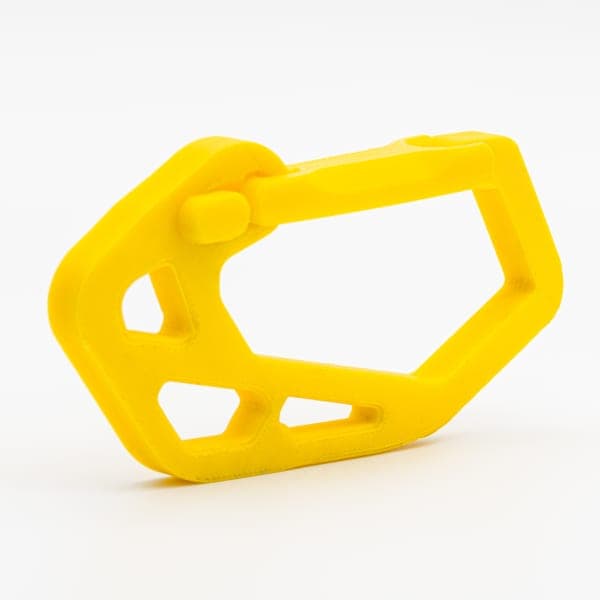
FDM Nylon
FDM nylon is a tough, wear-resistant engineering plastic known for high impact resistance, low friction, and the ability to flex repeatedly without cracking, all of which make it ideal for functional, moving parts.
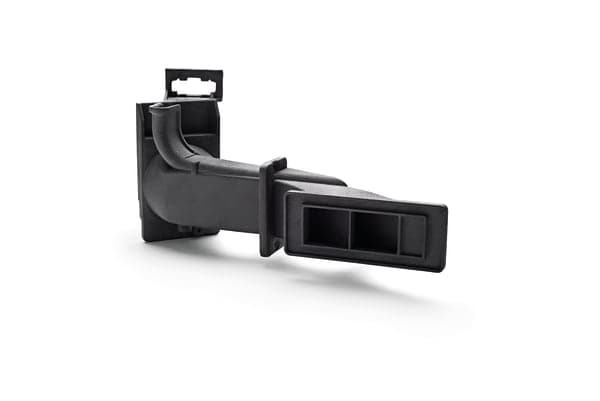
HP® 3D HR PA 12, enabled by Evonik
HP® 3D HR PA 12 is a strong, durable nylon powder for MJF, ideal for functional prototypes and end-use parts with consistent performance.
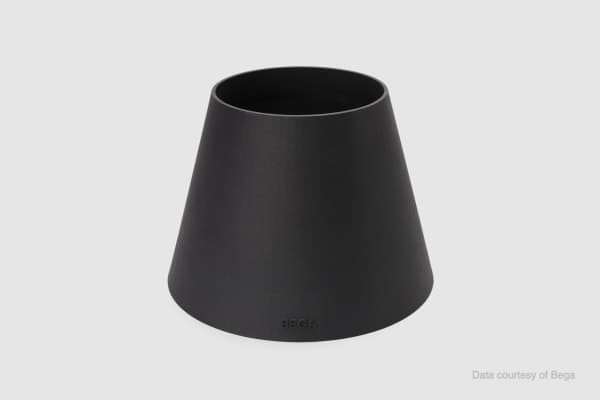
HP® 3D HR PA 12 S, enabled by Arkema
HP® 3D HR PA 12 S delivers exceptional surface quality and precision right out of the printer. The material is perfect for functional prototypes and high-end consumer goods.
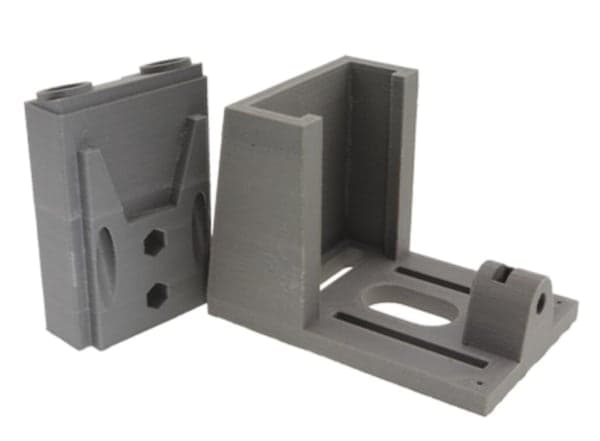
Glass Fiber FDM Nylon
Glass fiber nylon (PA-GF) adds stiffness, heat resistance, and dimensional stability to nylon at a lower cost than carbon fiber nylon, while retaining significantly better impact resistance and toughness.
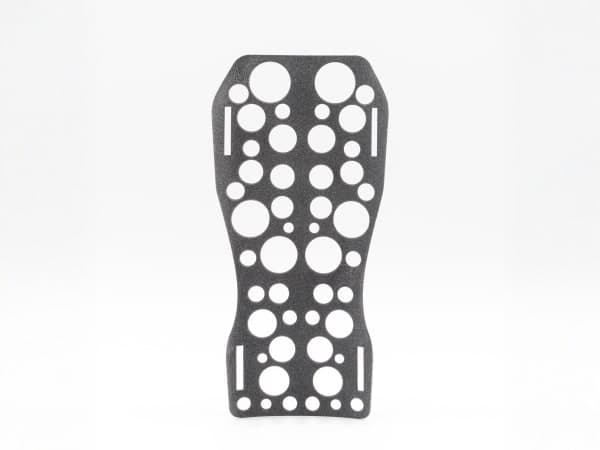
HP® MJF Nylon PA11
Multi Jet Fusion PA11, produced by HP, is a bio-derived powder with exceptionally high toughness. This material offers high ductility and impact strength for all applications, especially functional parts.
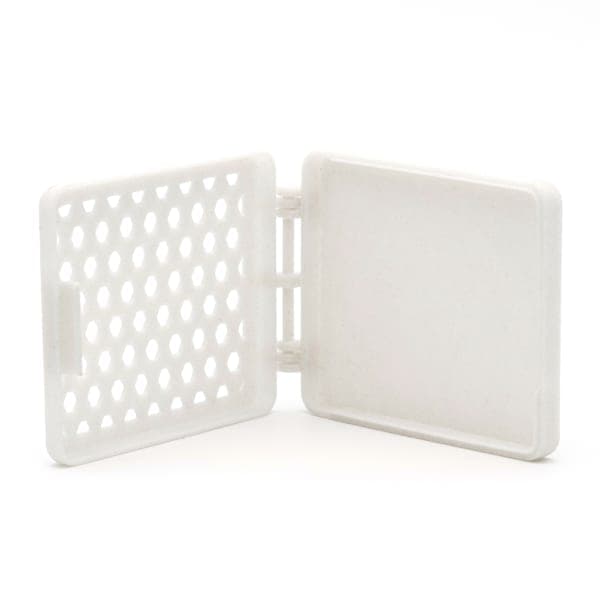
SLS Nylon PA11
Nylon PA11 is a bio-based nylon, made from castor oil, with high ductility and impact resistance. It is suitable for durable functional parts that need to flex or absorb impact.
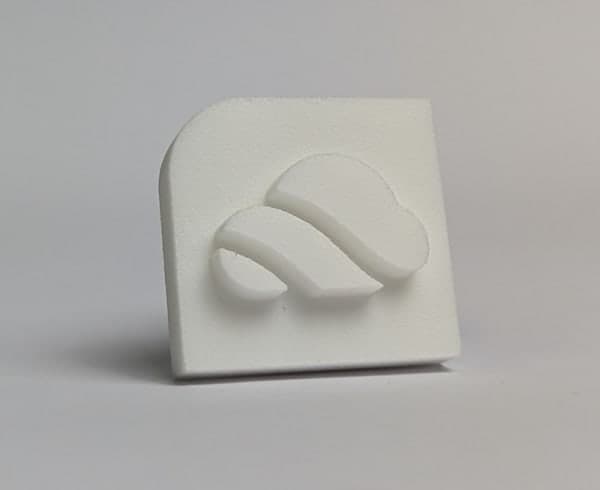
Food Safe SLS/MJF Nylon PA12
Food Safe Nylon PA12 is a durable and versatile material ideal for food processing tools and products.
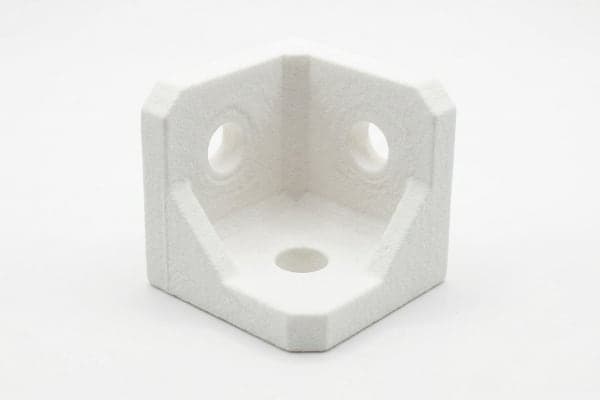
SLS Nylon PA 2200
PA 2200 is a versatile, white nylon 12 powder that offers a balanced profile of high strength, stiffness, and chemical resistance. It is the gold standard for functional SLS prototypes and rugged, end-use industrial components.
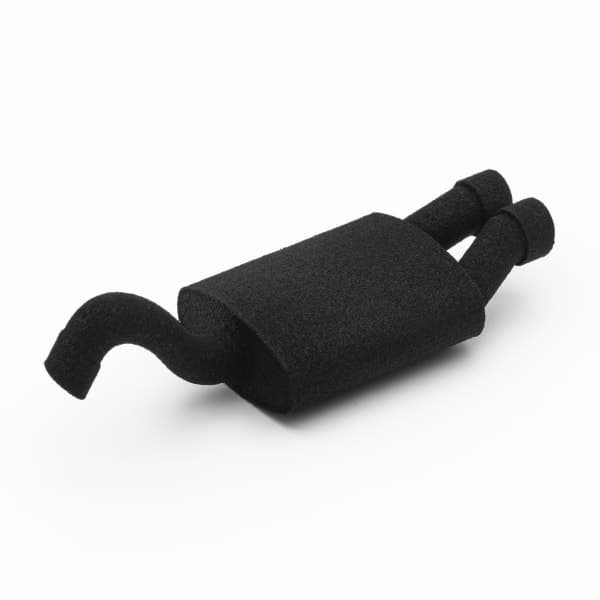
SLS Nylon PA6
Nylon PA6 is a strong and heat-resistant material commonly used to print strong and functional parts.
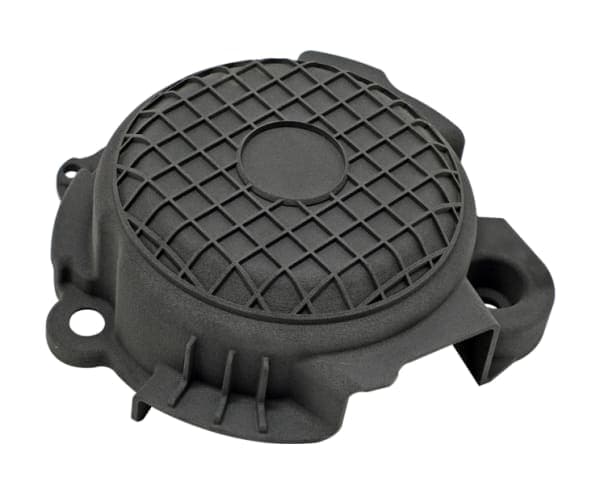
SLS Nylon PA6 Carbon Fiber
SLS PA6 Carbon Fiber parts offer high stiffness, excellent dimensional stability, and improved heat resistance. The carbon fiber reinforcement is ideal for strong functional components and demanding engineering applications.
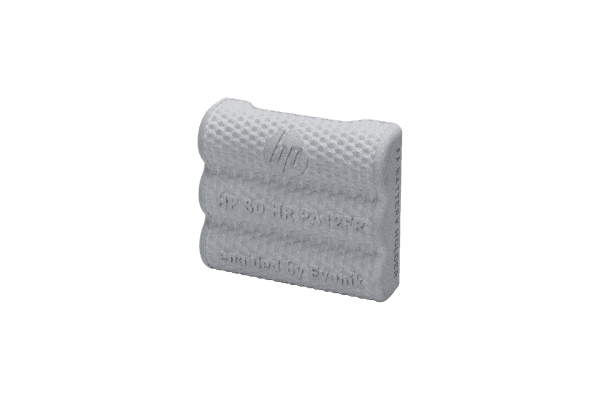
HP® 3D HR PA 12 FR, enabled by Evonik
Flame-retardant PA 12 for MJF, offering durability, dimensional stability, and fire compliance for functional and safety-critical parts.
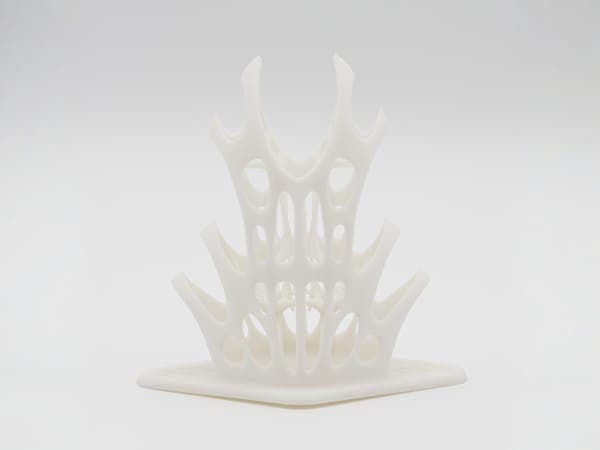
SLS Nylon PA66
Nylon PA66 is known for its strength, rigidity, thermal stability, and chemical resistance, making it ideal for automotive, aerospace, and industrial use cases.
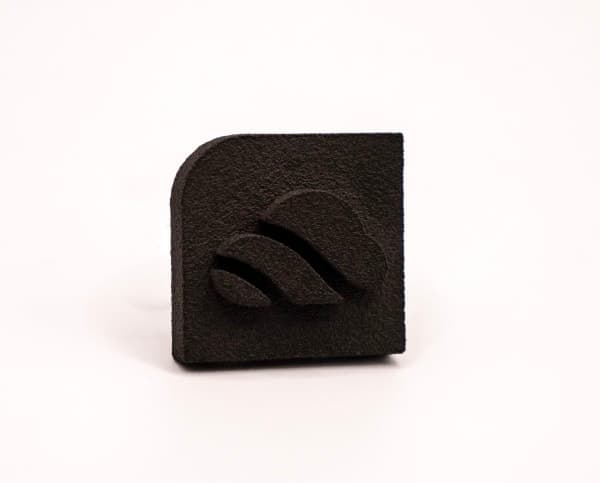
SLS Glass-Filled Nylon PA6
SLS Glass-Filled Nylon PA6 is a glass-fiber-reinforced nylon with exceptional stiffness, heat resistance, and dimensional stability. The material’s matte surface makes it ideal for strong, durable, and thermally stable functional parts.
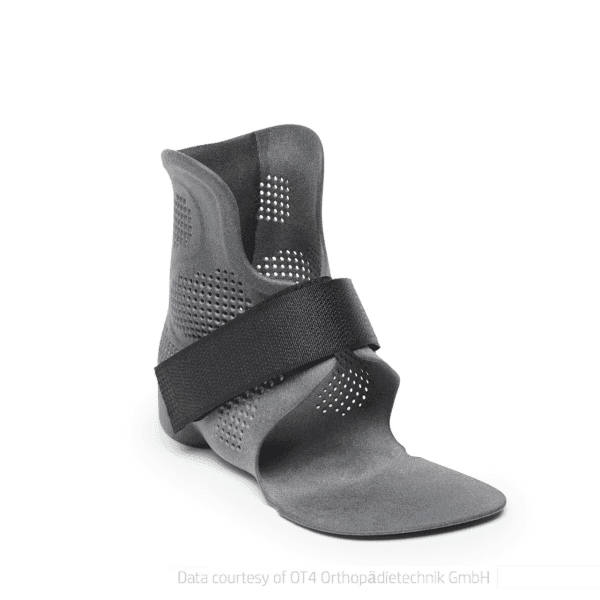
HP® 3D HR PA 11
HP® 3D High Reusability (HR) PA 11 is a bio-derived powder with exceptionally high toughness. This material offers high ductility and impact strength for all applications, especially functional parts.
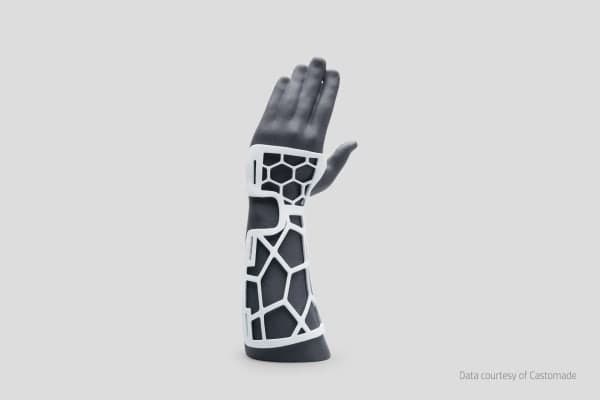
HP® 3D HR PA 12 W
HP® 3D HR PA 12 W is a high-reusability, white nylon (polyamide 12) designed for durable, functional 3D printed parts with excellent chemical and mechanical resistance.
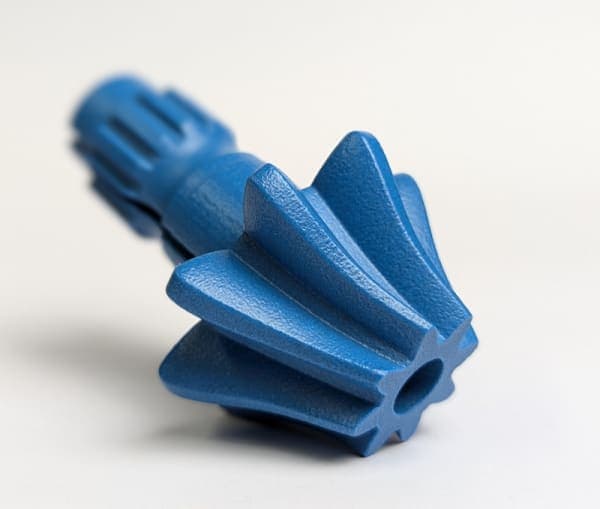
Food Safe Metal Detectable SLS/MJF Nylon PA12
Food Safe X-ray Metal Detectable PA12 is approved as food contact material (FCM) and can be detected by metal detectors and X-ray scanners in a production line, as it contains metal.
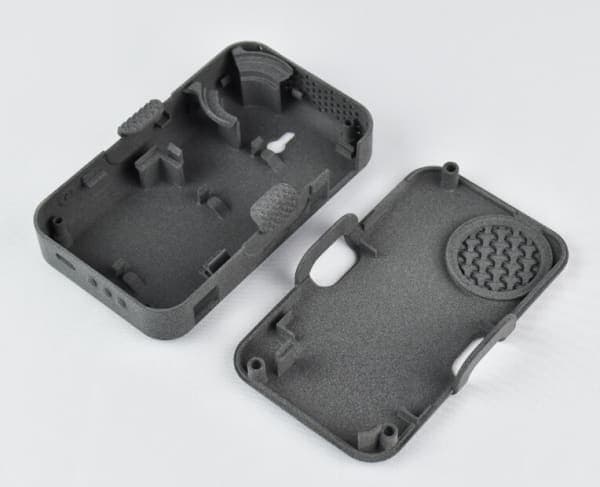
SLS Nylon PA11-ESD
SLS PA11 ESD is a bio-derived powder material with electrostatic discharging properties for increased process safety in advanced applications.
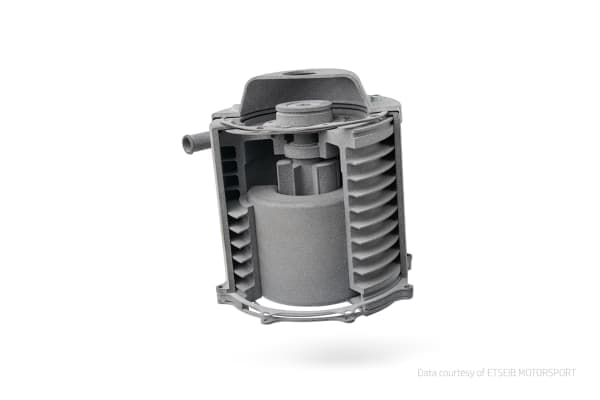
HP® 3D HR PA 12 GB
Glass-bead-filled PA 12 for MJF, offering high stiffness, dimensional stability, and durability for functional and structural parts.
20 materials
PETG
PETG offers good impact resistance and strong layer adhesion, plus reliable chemical and moisture resistance. It is a good choice for everyday functional parts.
ABS
ABS is a durable, impact-resistant plastic with good heat tolerance, and is well suited to functional parts and prototypes that need to handle everyday stress.
PLA
PLA is a low-cost, rigid plastic with excellent dimensional accuracy, and is a good choice for prototypes and functional parts that do not require strength or heat resistance.
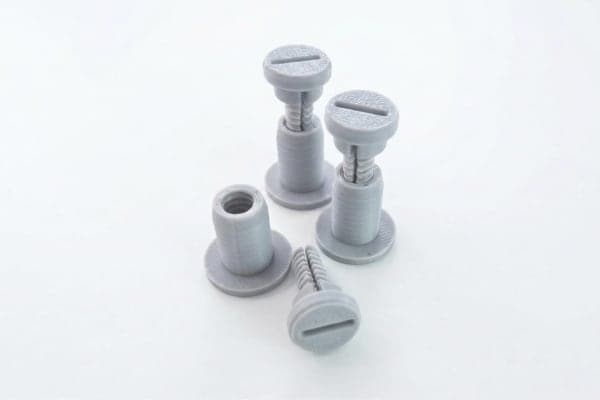
PLA+ (Tough PLA)
PLA+ and Tough PLA offer enhanced strength and durability compared to regular PLA, which makes them ideal for functional prototypes and mechanical parts.
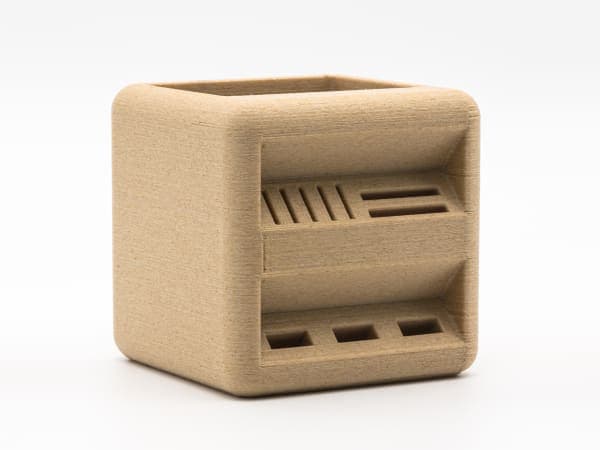
Wood-Filled PLA
Wood-filled PLA blends real wood fiber with PLA to create a filament that looks, feels, and can be finished like natural wood, and it is prized for its appearance rather than mechanical strength.
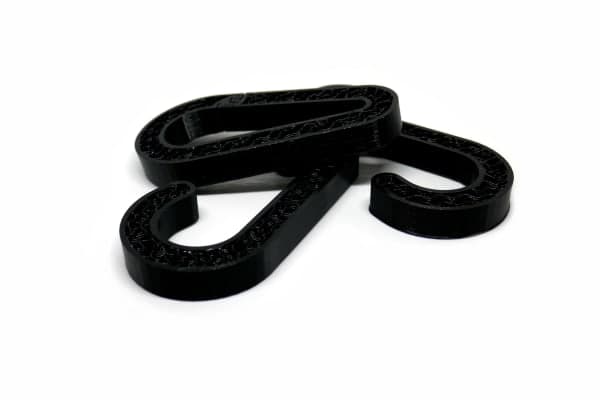
PCTG
PCTG is a tougher, clearer alternative to PETG. It offers notably better impact resistance and moisture resistance while it retains PETG's ease of use and chemical resistance.
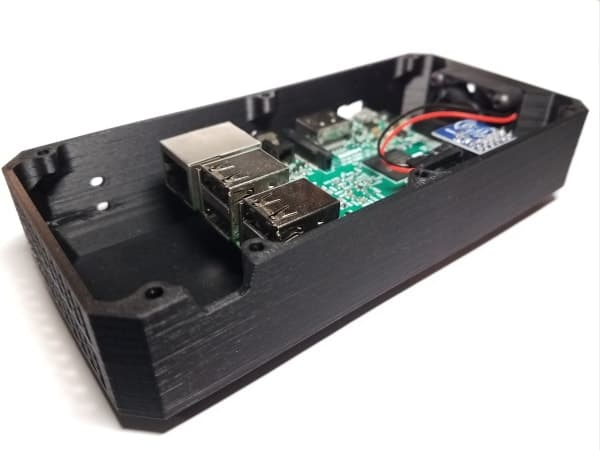
PETG-ESD
PETG-ESD combines the mechanical properties of standard PETG with controlled dissipation of electrostatic charges.
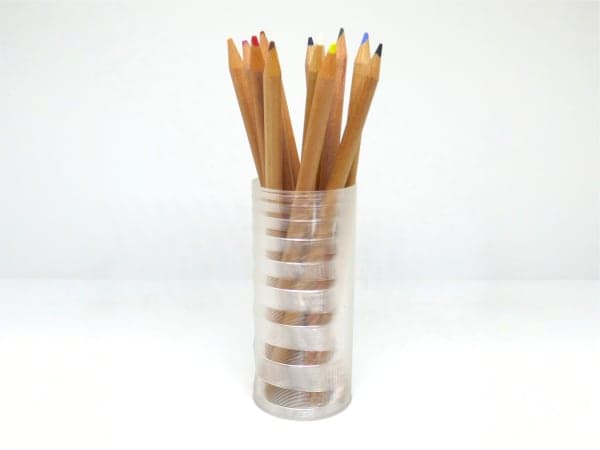
FDM PMMA
Polymethyl Methacrylate (PMMA), commonly known as acrylic or plexiglass, offers strong optical clarity and excellent UV resistance, though it's notably more brittle and less impact-resistant than materials like ABS or polycarbonate.
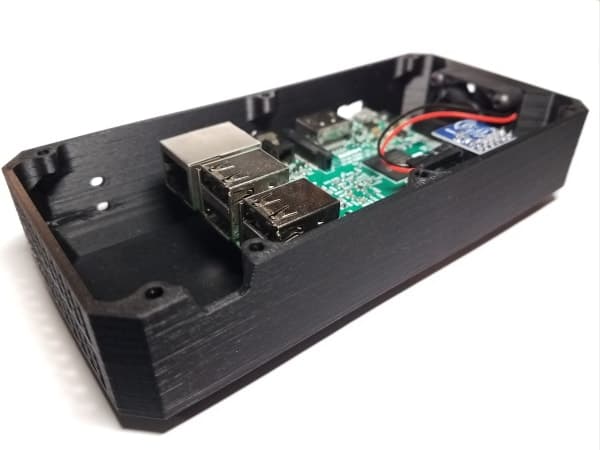
ABS-ESD
ABS-ESD combines the mechanical properties of standard ABS with controlled dissipation of electrostatic charges.
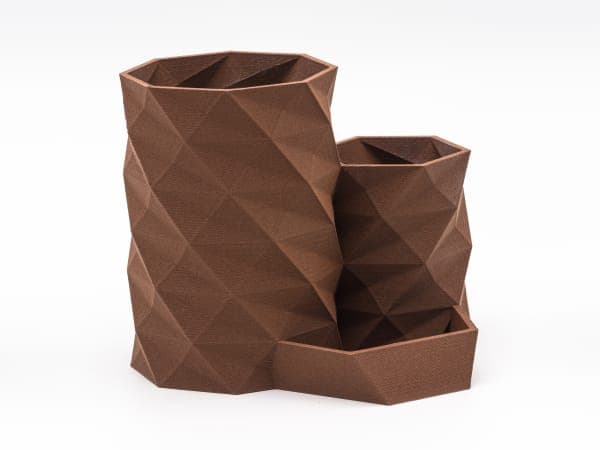
Metal-Filled PLA
Metal-filled PLA is the fusion of standard PLA with metal powder used to provide a metal-textured feeling. Metal-filled PLA is popular with items that do not have functional capabilities, rather an aesthetic appearance.
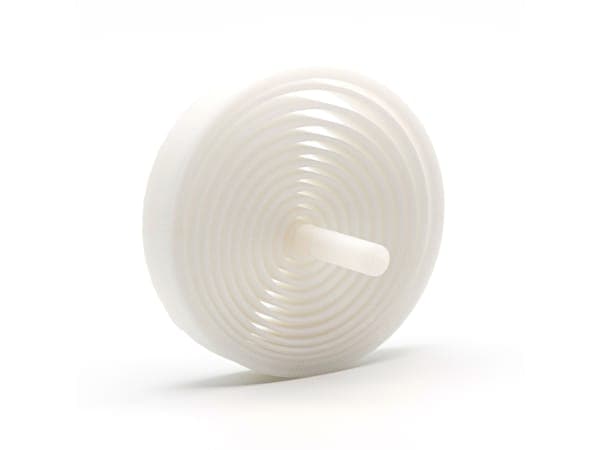
HIPS
HIPS is a material blend of polystyrene plastic and polybutadiene rubber. The mixture of these polymers results in a material that is both tough and resistant to impact.
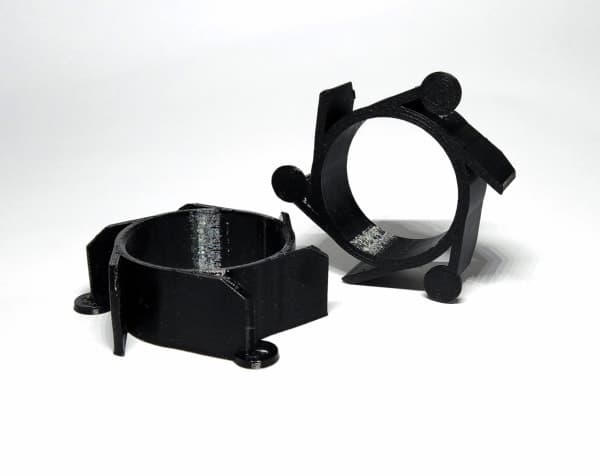
PETG-HT
PETG-HT is an enhanced version of PETG, specifically designed to withstand high temperatures and exhibit excellent mechanical properties.
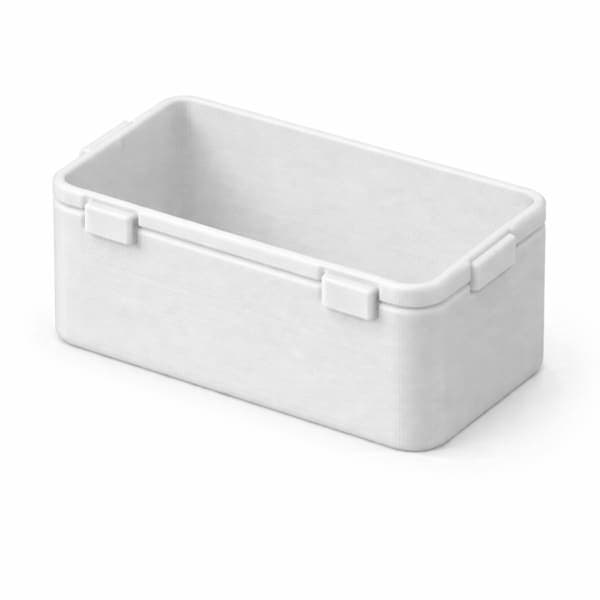
PET
PET 3D prints offer a strong balance of toughness, chemical resistance, and dimensional stability. The material produces durable parts with good layer adhesion and a semi-gloss surface finish.
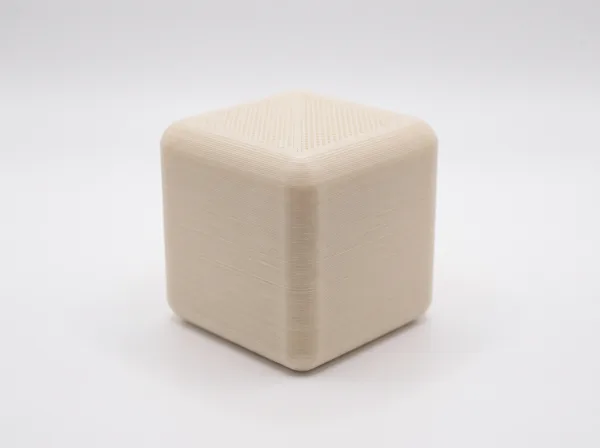
PHA
PHA (Polyhydroxyalkanoate) filament is a biodegradable type of plastic used in 3D printing, made through the fermentation of plant sugars by bacteria. It a great choice for applications that require biodegradability.
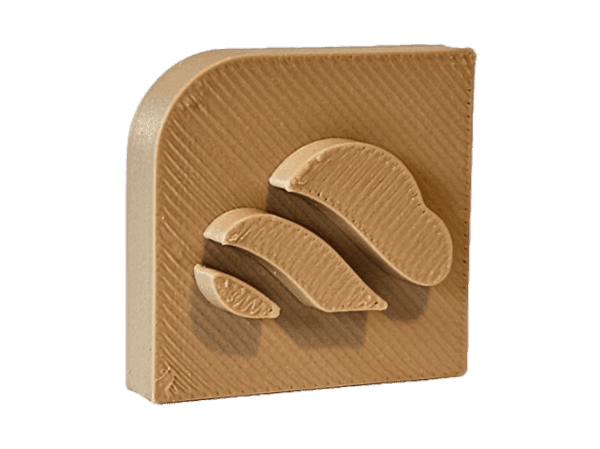
Lightweight PLA
Lightweight PLA (LW-PLA) is a specialized 3D printing filament that expands up to three times its volume for lighter prints without losing the strength of standard PLA.
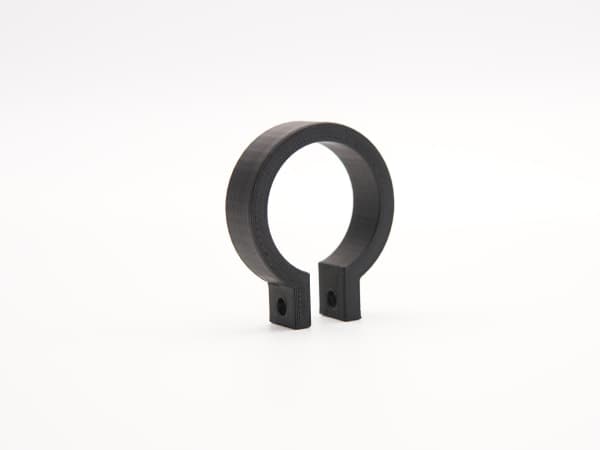
Conductive PLA
Conductive PLA is a version of PLA that is perfect for parts that need to be electrically conductive. It has a volume resistivity (perpendicular to layers) of 30 ohm-cm.
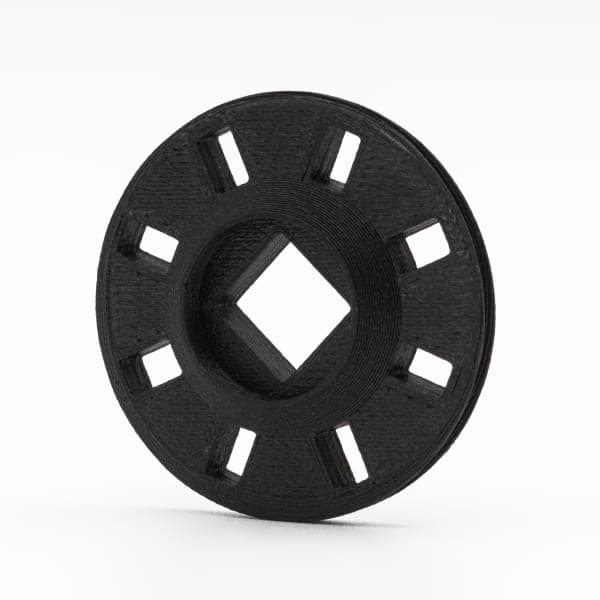
ABS Kevlar
ABS infused with short Kevlar fibres.
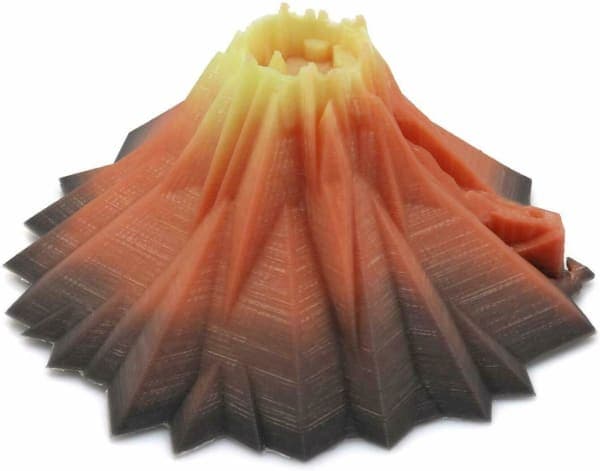
Color-Changing PLA
Temperature-based color-changing PLA is ideal for novelty prints.
PLA-ESD
PLA-ESD combines the mechanical properties of standard PLA with controlled dissipation of electrostatic charges.
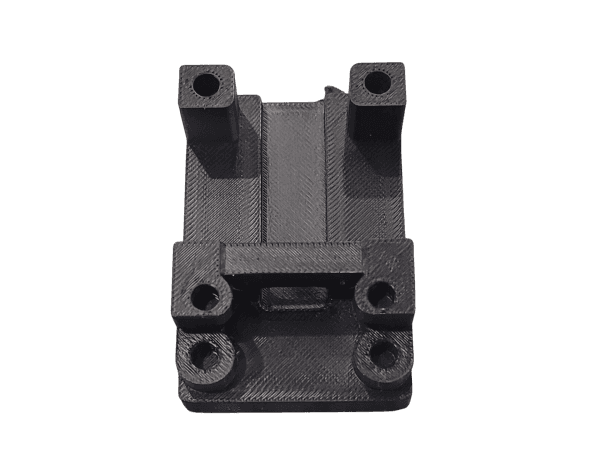
HP® ABS
ABS is a durable and versatile material with good impact and chemical resistance. It is great for functional parts and prototypes.
9 materials
Aluminum (AlSi10Mg)
This strong and lightweight material features good thermal properties and is widely used for functional metal parts.
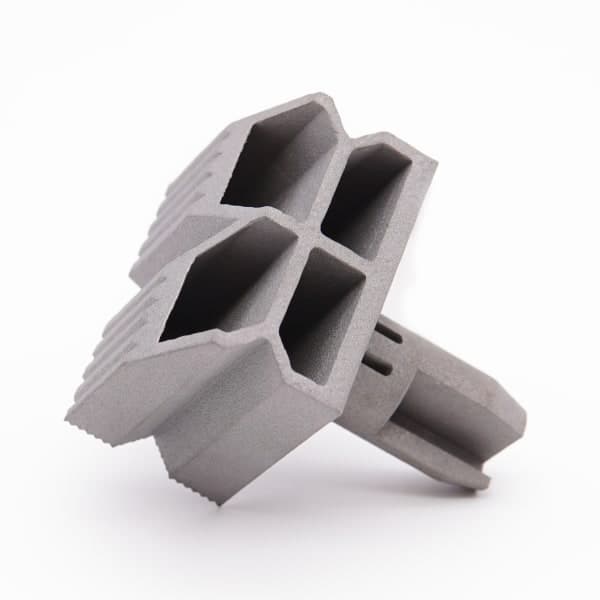
Titanium
The strongest 3D printable material, titanium offers good dimensional accuracy and fine details.
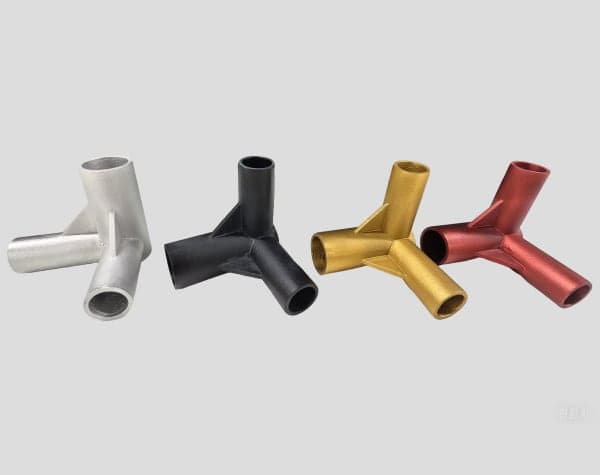
Aluminum Alloy 6061
Aluminum Alloy 6061 offers excellent strength-to-weight performance, good corrosion resistance, and reliable dimensional stability. It is ideal for lightweight structural parts, prototypes, and functional components requiring durability and machinability.
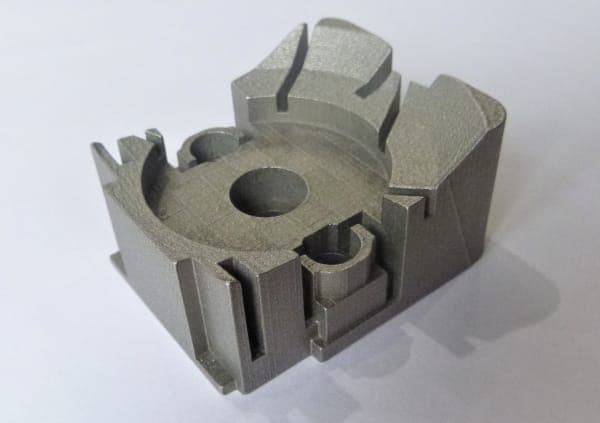
Inconel 718
This nickel-based alloy is exceptional for parts used in high-temperature environments.
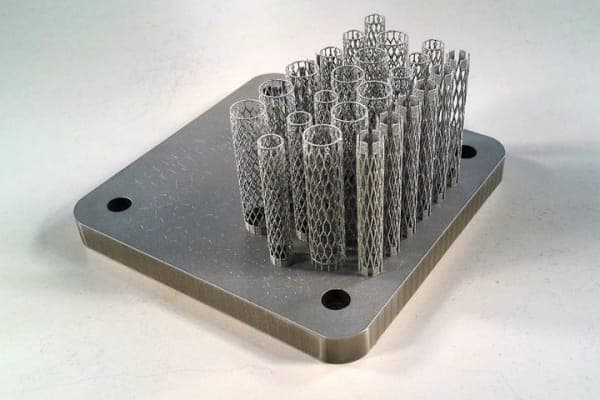
Nickel-Titanium (NiTi)
Nickel-Titanium (NiTi) is a shape memory alloy with superelasticity, fatigue resistance, and biocompatibility. Its phase transformations enable shape recovery after deformation, making it ideal for medical, aerospace, and robotic uses.
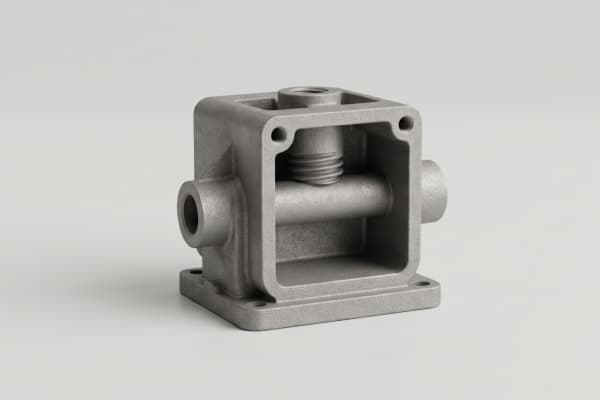
Titanium Grade 23 (Ti-6Al-4V ELI)
Titanium Grade 23 (ELI) offers exceptional biocompatibility, high strength-to-weight ratio, and excellent corrosion resistance.
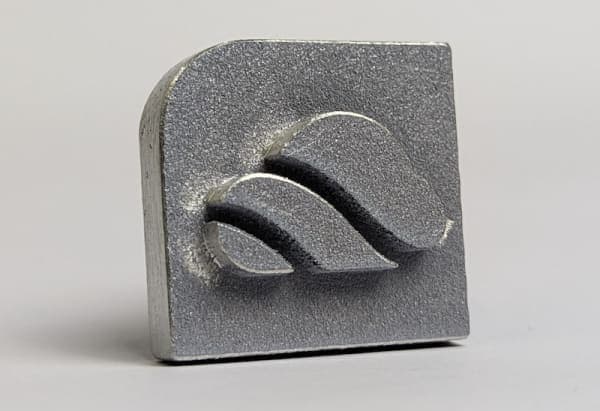
Food Safe Aluminum
Food Safe Aluminum is a type of aluminum that is treated or coated to be safe for use in contact with food. Lightweight, good thermal conductivity, and strength. Performs up to 200°C (392°F), ideal for automotive, aerospace, and industrial uses.
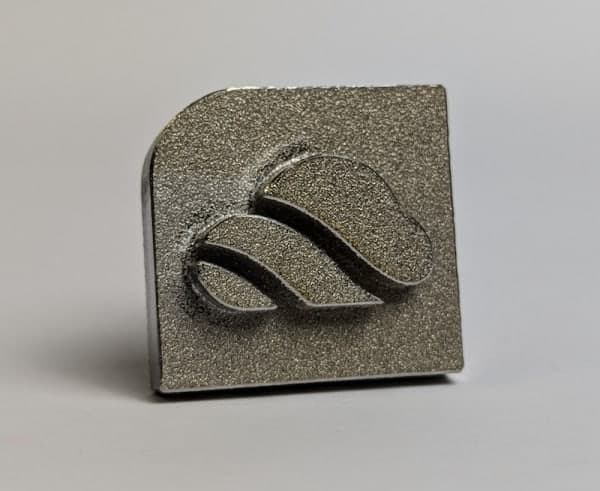
Food Safe Titanium
Food Safe Titanium is food contact safe, hygienic, corrosion resistant, and lightweight. Maintains strength up to 400°C (752°F), robust, non-magnetic, and easy to clean. Certifications available.
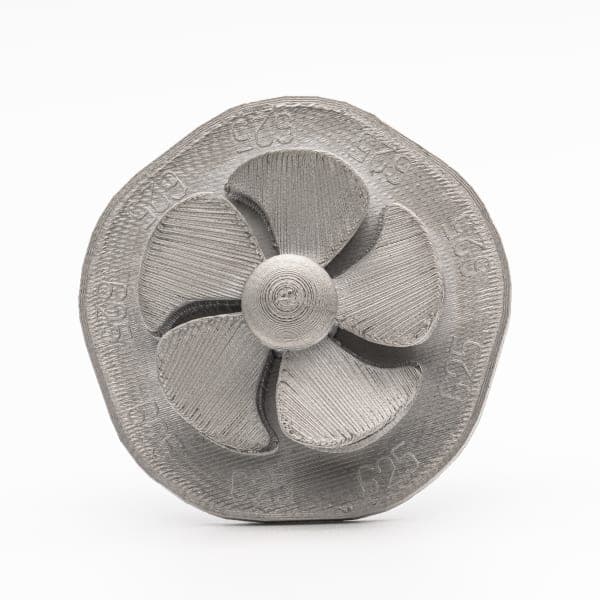
Markforged® Inconel 625
Markforged Inconel 625 is a nickel chromium-based superalloy that is extremely resistant to corrosion and strong at high temperatures.
12 materials
316L Stainless Steel
316L Stainless Steel is a highly durable alloy known for its corrosion resistance and versatility in both industrial and aesthetic applications.
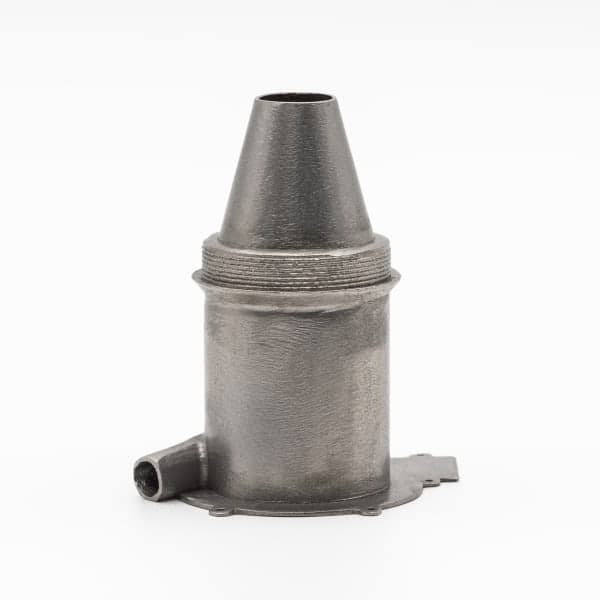
17-4 PH Stainless Steel
17-4 PH SS is a martensite precipitation-hardened stainless steel with high strength and very good resistance to corrosion.
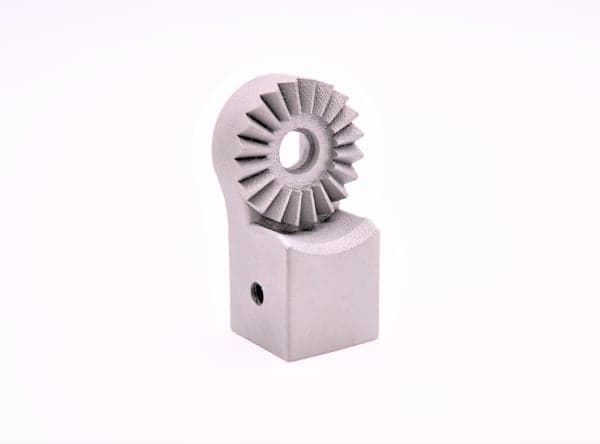
Maraging Steel
Featuring high strength and hardness, M300 maraging steel is best used for tooling applications.
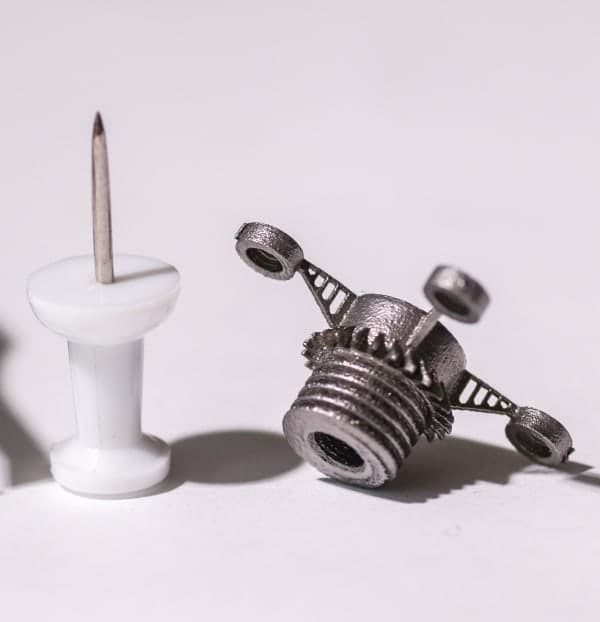
High-Detail 316L Steel
High-Detail 316L Stainless Steel offers an incredible level of detail coupled with remarkable strength, and corrosion resistance.
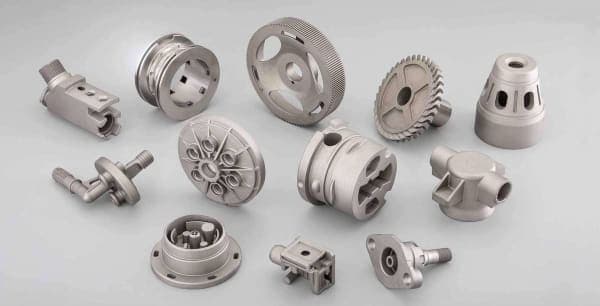
MBJ 316L Steel
316L Stainless Steel printed with Metal Binder Jetting technology.
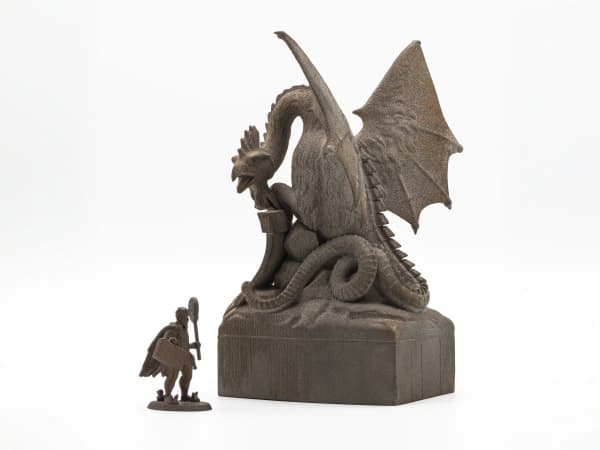
420/BR Steel
420/BR steel is a great material for low-cost metal parts of all sizes.
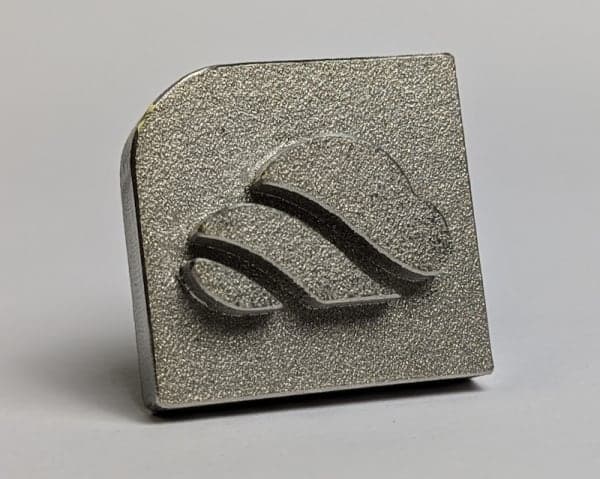
Food Safe 316L Stainless Steel
Food contact safe, offers high hygiene, corrosion resistance, and strength. Performs up to 800°C (1472°F), versatile and easy to clean. Certifications available.
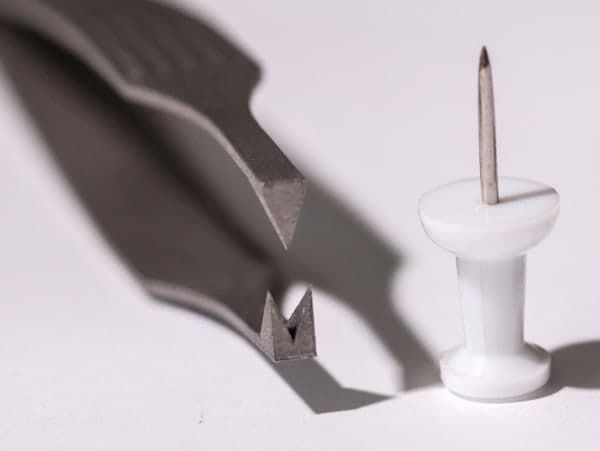
High-Detail 17-4 PH Stainless Steel
High-Detail 17-4 PH Stainless Steel is a superior 3D printing alloy, offering unparalleled detail precision coupled with exceptional mechanical resilience and corrosion resistance.
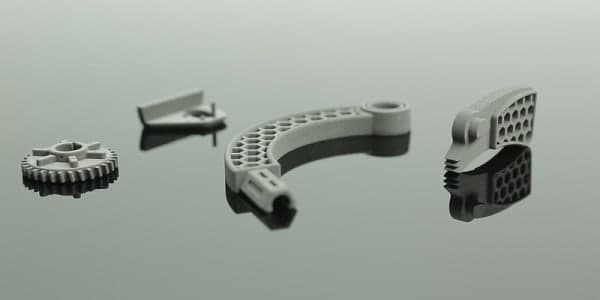
MoldJet® 316L Steel
316L Stainless Steel printed with Tritone MoldJet® technology.
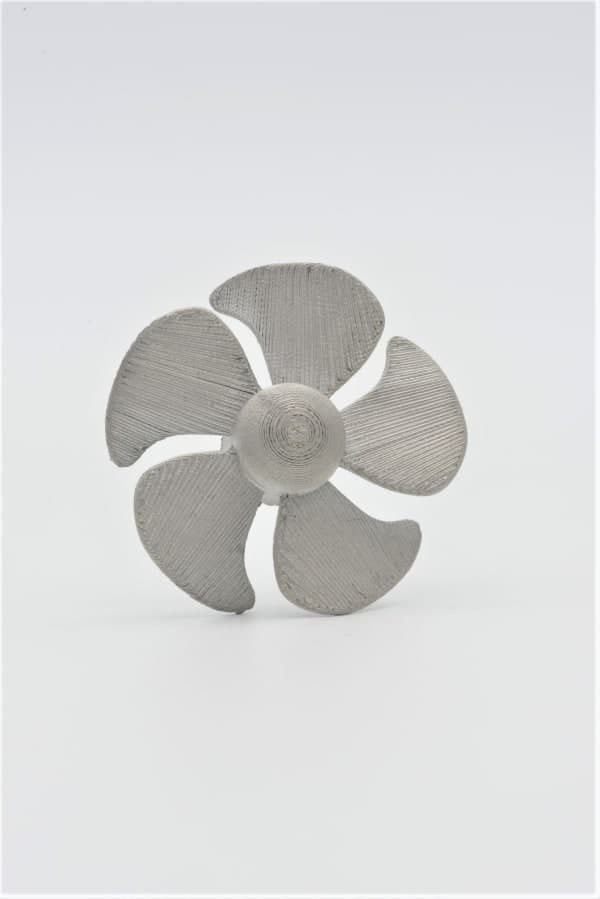
Markforged® H13 Tool Steel
Markforged H13 tool steel is an abrasion-resistant, hard material with a good resistance to heat.
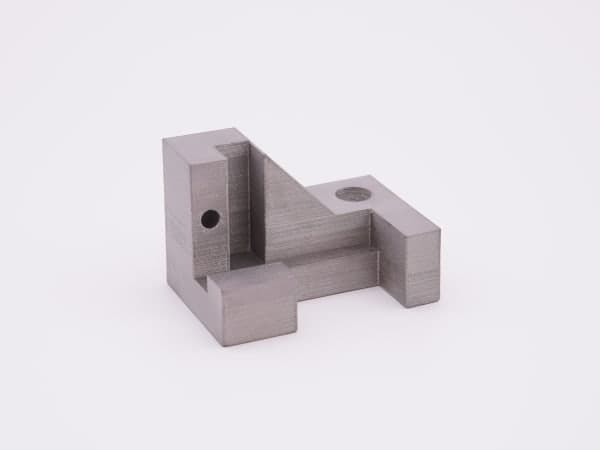
BASF® Ultrafuse 316L Steel
Sintered, FDM printed stainless steel is used for strong and functional parts.
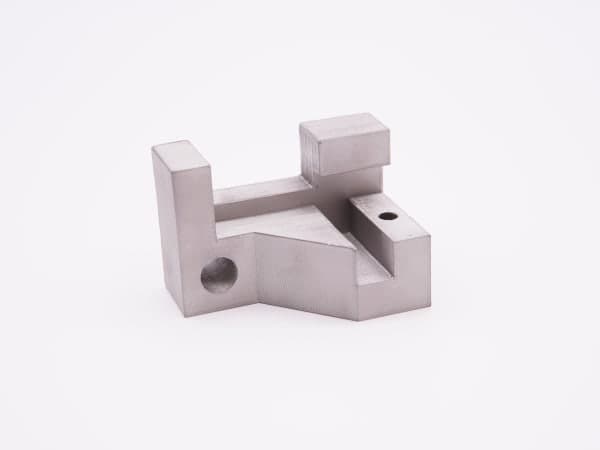
BASF® Ultrafuse 17-4 PH Steel
Sintered, FDM printed stainless steel is used for strong and functional parts.
35 materials
ASA
ASA is a durable plastic with outstanding UV and weather resistance, which makes it the top choice for parts exposed to prolonged sunlight and outdoor conditions.
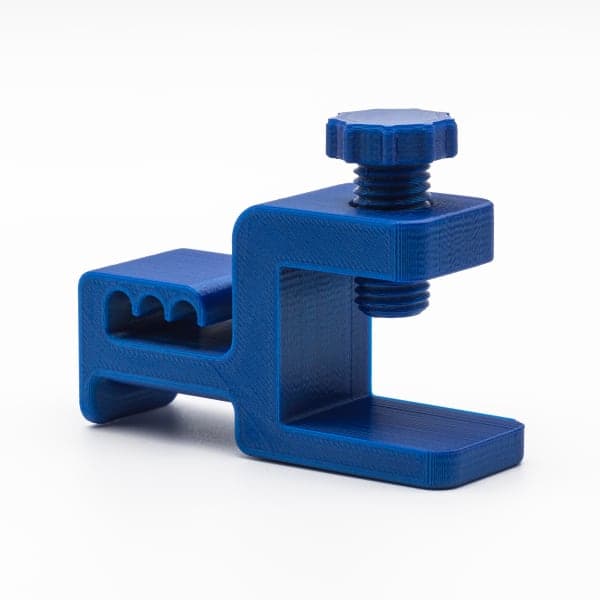
Polycarbonate
Polycarbonate (PC) is an engineering-grade plastic with the highest heat resistance and impact strength of common FDM materials, and it is ideal for demanding functional parts and prototypes.
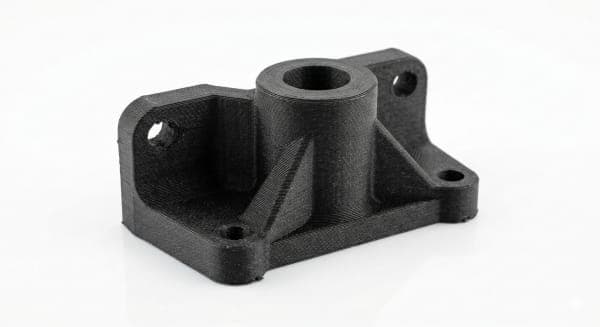
Carbon Fiber PPS
Carbon fiber PPS is a high-performance composite that offers metal-matching stiffness, exceptional chemical resistance, and inherent flame retardancy, though it's more brittle than tougher engineering plastics like nylon or polycarbonate.
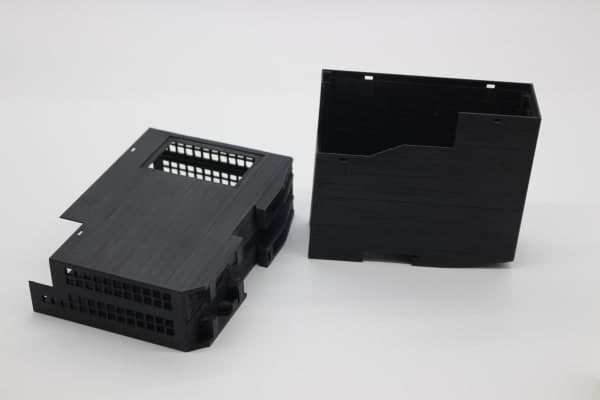
Flame Retardant Polycarbonate
Flame retardant polycarbonate (PC-FR) combines polycarbonate's strength and heat resistance with a UL94 V-0 fire rating. This makes it a strong choice for electrical enclosures and components near heat sources.
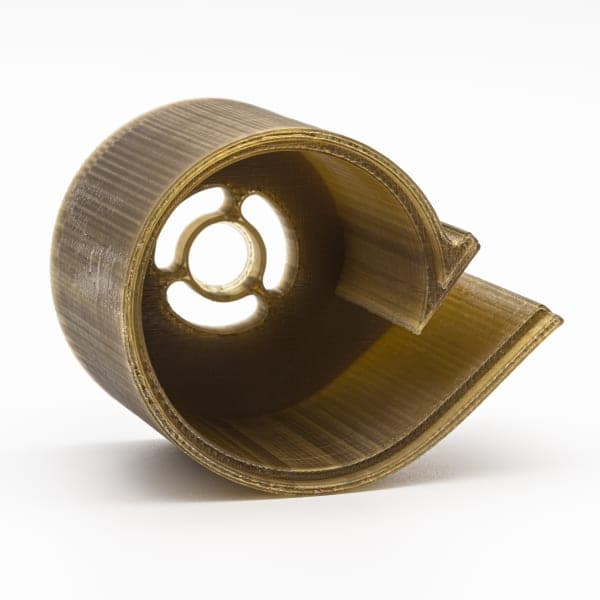
PEEK
FDM PEEK is a premium engineering thermoplastic that combines exceptional heat resistance, strength, and chemical resistance with genuine biocompatibility. It is used where metal replacement or medical-grade performance is required.
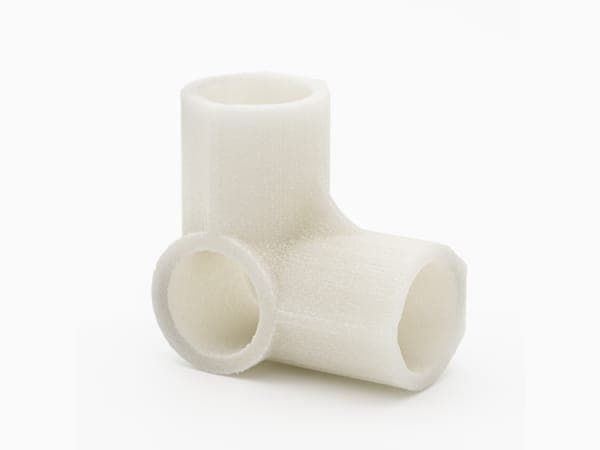
SLS/MJF Polypropylene
Polypropylene is a lightweight, flexible, chemically resistant plastic with good fatigue resistance. It is suitable for durable functional parts that bend repeatedly or contact fluids.
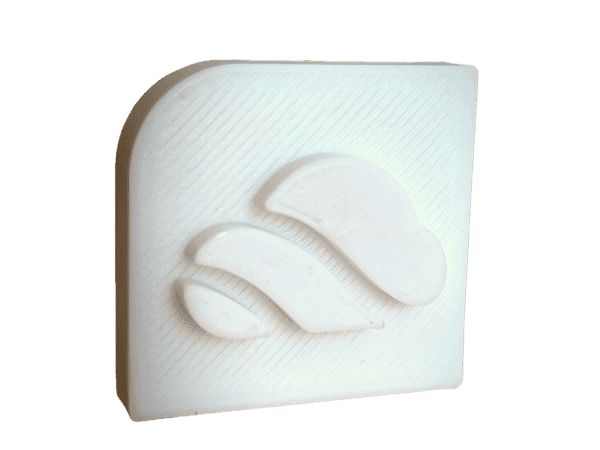
Flame Retardant PETG
Flame retardant PETG combines the mechanical strength and chemical resistance of regular PETG with enhanced fire safety.
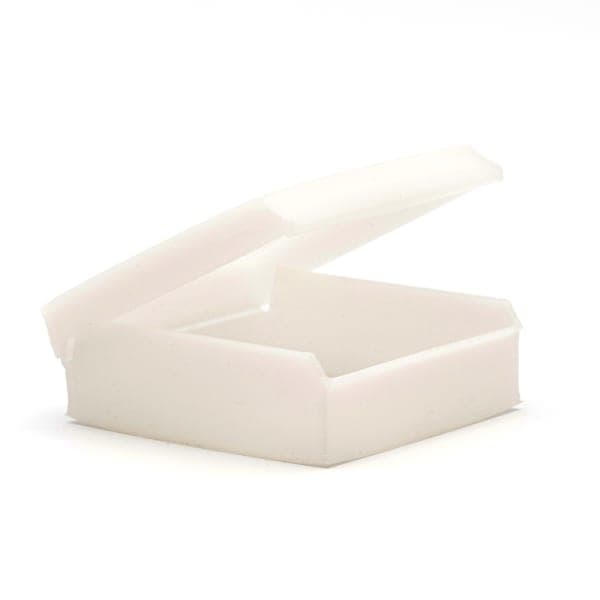
FDM Polypropylene
Polypropylene is a versatile and durable material, highly suitable for compliant and functional parts. The FDM technology provides a cheaper alternative to SLS or MJF printed parts.
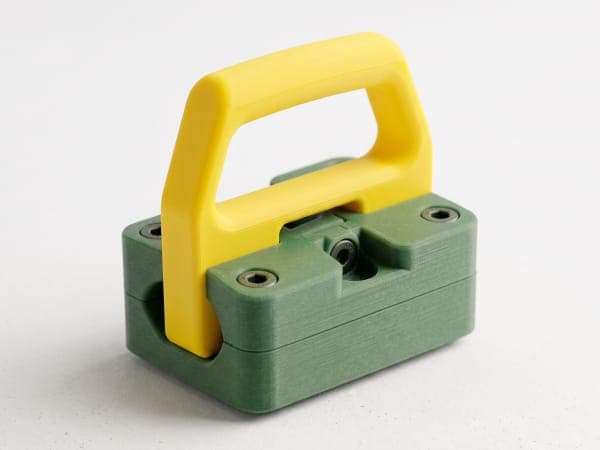
Multicolor ASA
Multicolor FDM prints using ASA combine vibrant color separation with exceptional UV, heat, and weather resistance. Ideal for outdoor signage, automotive parts, and durable prototypes needing both strength and visual impact.
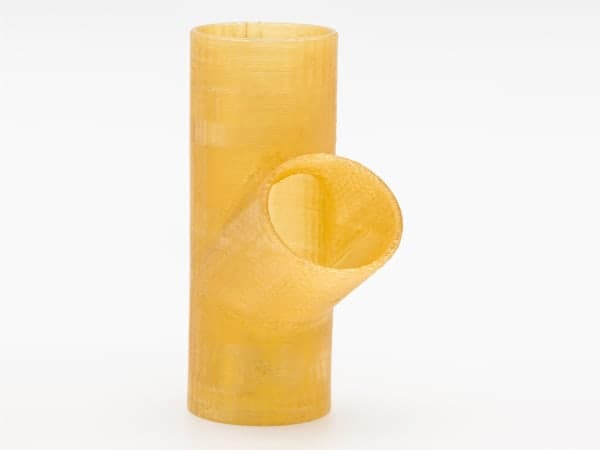
ULTEM 1010
ULTEM 1010 offer the highest tensile strength and the highest chemical and thermal resistance of any FDM thermoplastic.
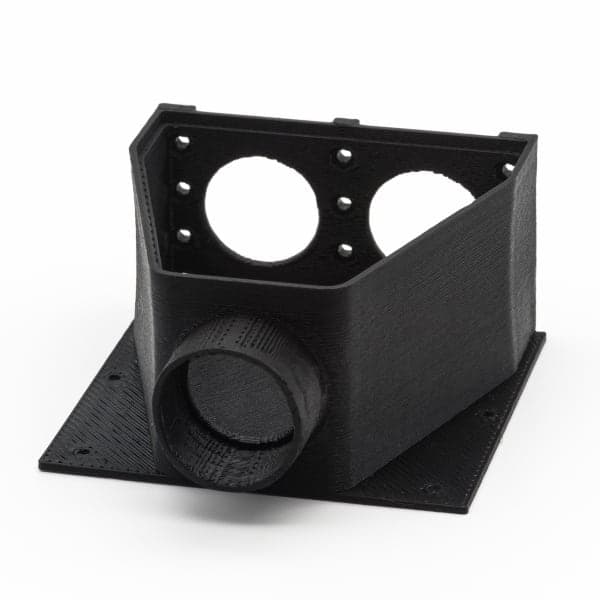
ULTEM 9085
ULTEM 9085 is a high-performance thermoplastic with excellent chemical resistance and an extreme level of flame retardancy.
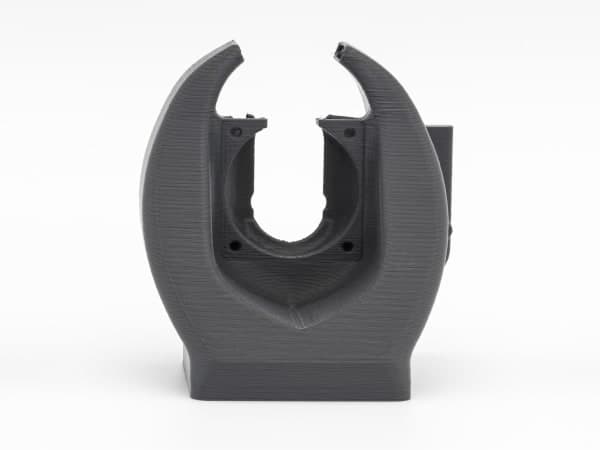
GreenTec Pro
GreenTec Pro is a high performance biodegradable material made from 100% natural resources. With a high heat resistance (up to 160 °C) and mechanical stress resistance, the material is ideal for demanding applications.
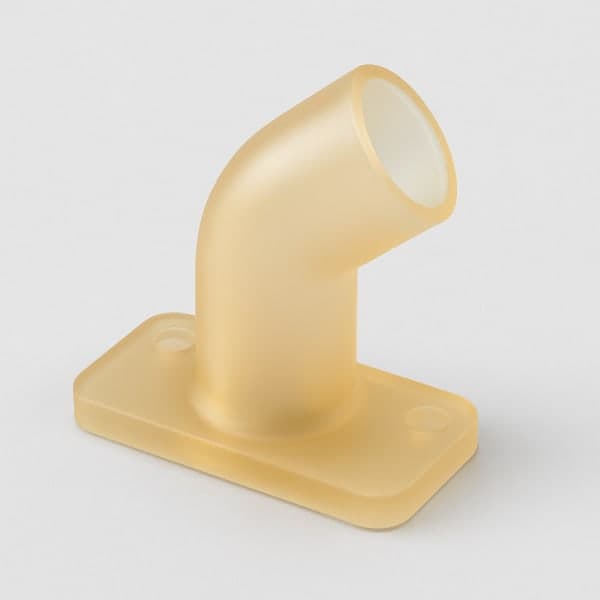
Figure 4™ HI TEMP 300-AMB
Figure 4™ HI TEMP 300-AMB is a high-performance photopolymer resin with excellent thermal resistance, stiffness, and stability. Its amber translucency makes it suitable for functional prototypes and demanding end-use applications.
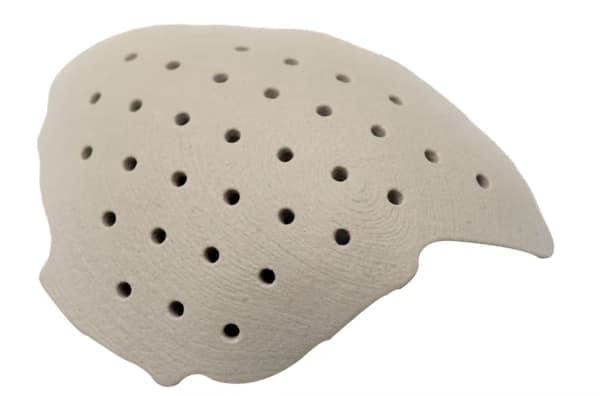
SLS PEEK
SLS PEEK produces exceptionally strong, lightweight parts with outstanding heat resistance, chemical stability, and dimensional accuracy. It delivers near-thermoplastic-molded properties, ideal for aerospace, medical, and industrial applications.
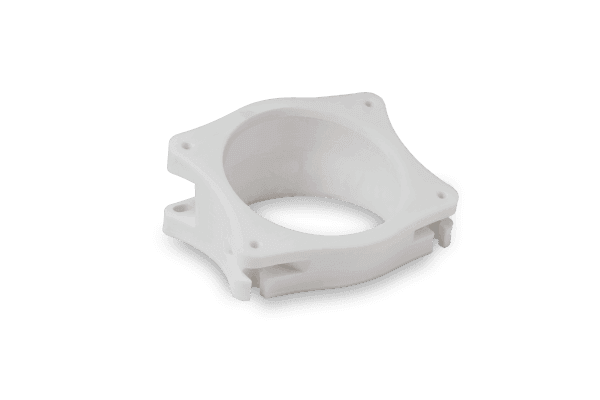
Ceramic Resin
Ceramic resin is a high-resolution photopolymer that produces rigid parts with excellent stiffness, heat resistance, and dimensional accuracy.
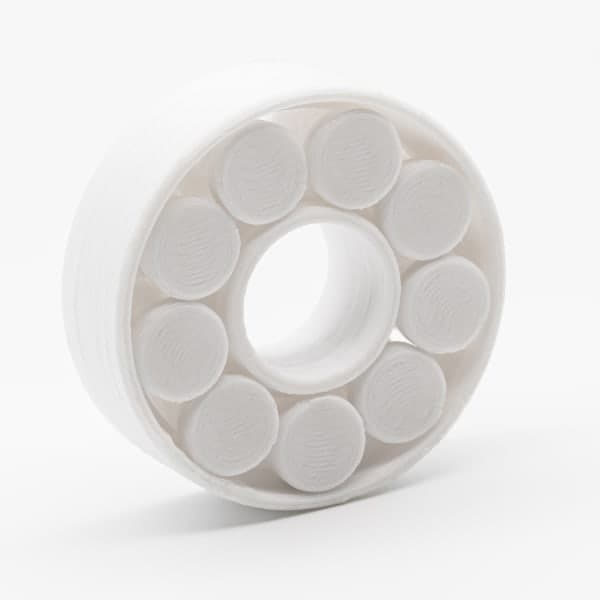
iglidur® I180-PF
iglidur I180-PF by igus is a material with high wear resistance, especially designed for moving parts.
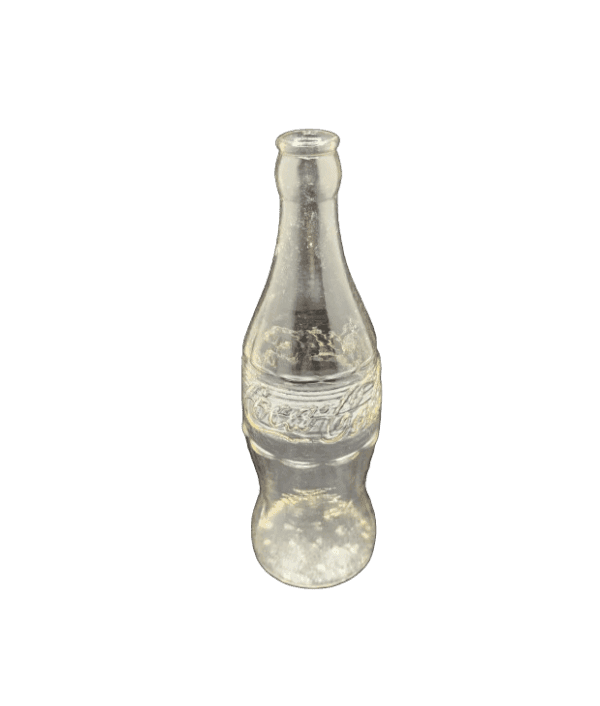
PVB
PVB filament is flexible, strong, and offers excellent transparency and a smooth finish, ideal for glossy, impact-resistant 3D prints.
iglidur® I150-PF
iglidur I150-PF by igus features a high abrasion resistance at low speeds combined with good mechanical properties.
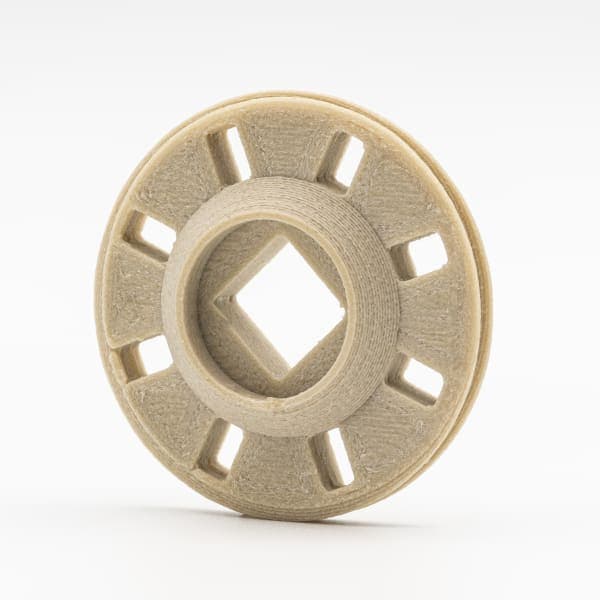
PPSU/PPSF
PPSU is a heat- and chemical-resistant material suited for automotive, aerospace, and plumbing applications.
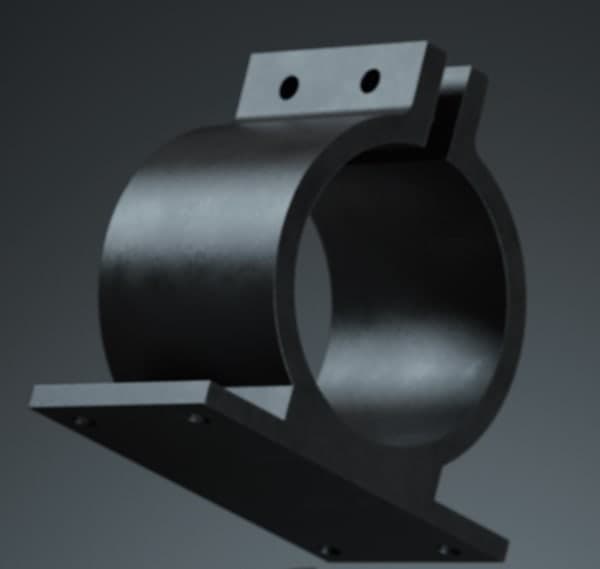
PC-Like Resin
PC-like resin is a highly rigid photopolymer that simulates polycarbonate's stiffness and heat resistance, though it's more brittle than ABS-like resin, which makes it better suited to precision, load-bearing parts than parts needing to absorb impact.
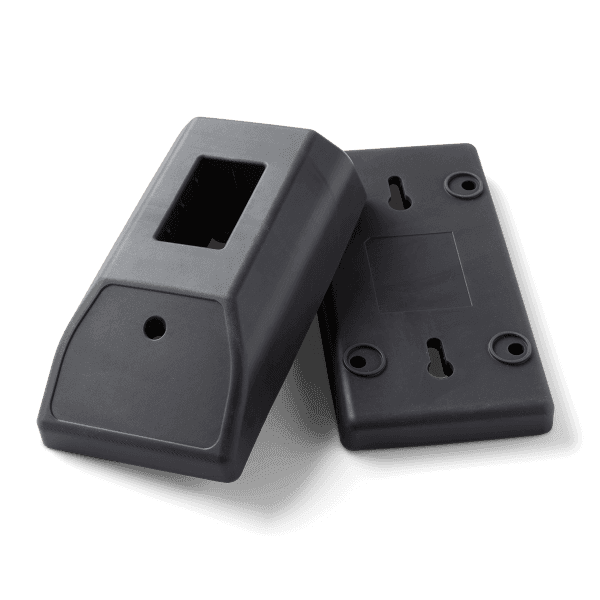
PP-Like Resin
PP-like resin is a flexible, impact-resistant photopolymer designed to simulate polypropylene. It offers high elongation, good durability, and strong resistance to cracking, making it ideal for living hinges, clips, and functional prototypes.
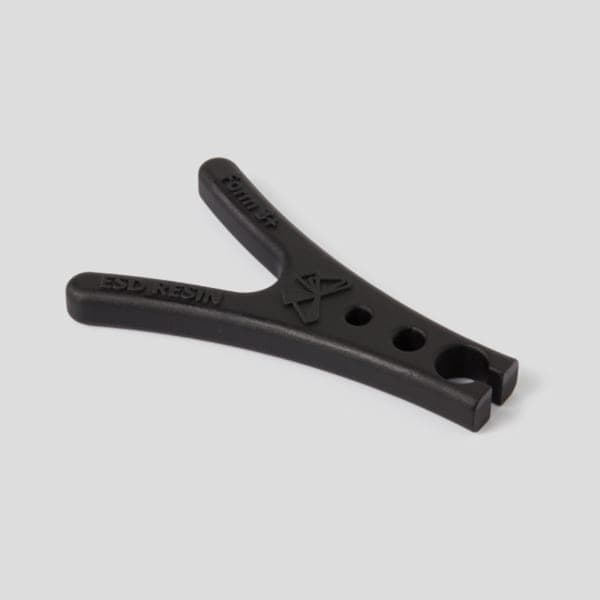
Anti-Static Resin-ESD
Anti-static resin (ESD) produces rigid, high-detail parts with controlled surface resistivity to prevent static buildup. It offers dimensional accuracy, a smooth matte finish, and electrostatic discharge protection for sensitive electronic applications.
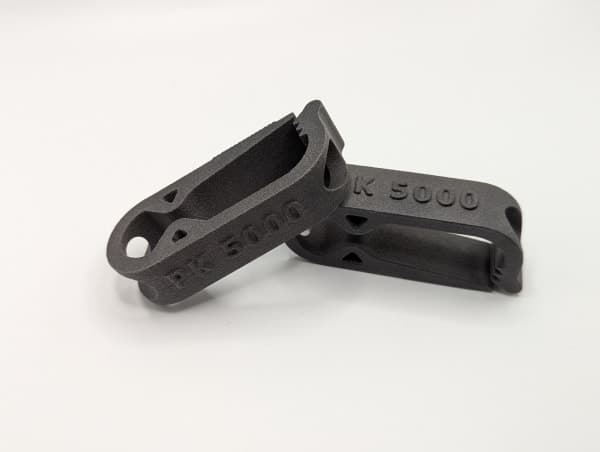
SLS PK
SLS PK is a lightweight engineering thermoplastic with good chemical resistance, toughness, and low moisture absorption. In its as-sintered finish, it has a matte white to off-white surface with a slightly rough texture.
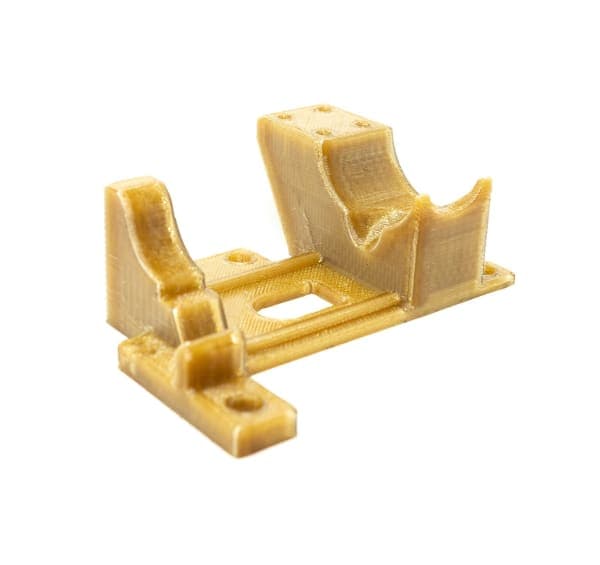
PEKK
PEKK filament is a high-performance thermoplastic known for excellent thermal and chemical resistance, and mechanical strength. Ideal for aerospace, automotive, and high-tech industries, it excels in demanding environments.
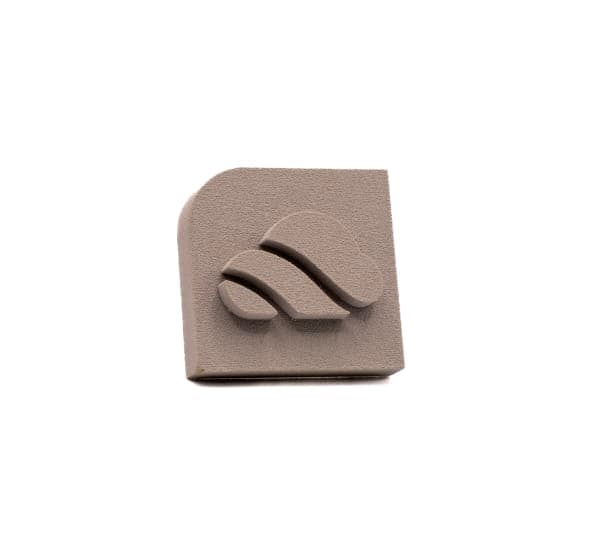
Inkbit® Titan Tough Epoxy 85
Inkbit® Titan Tough Epoxy is a type of high-performance material known for its exceptional strength, durability, and resistance to harsh environmental conditions.
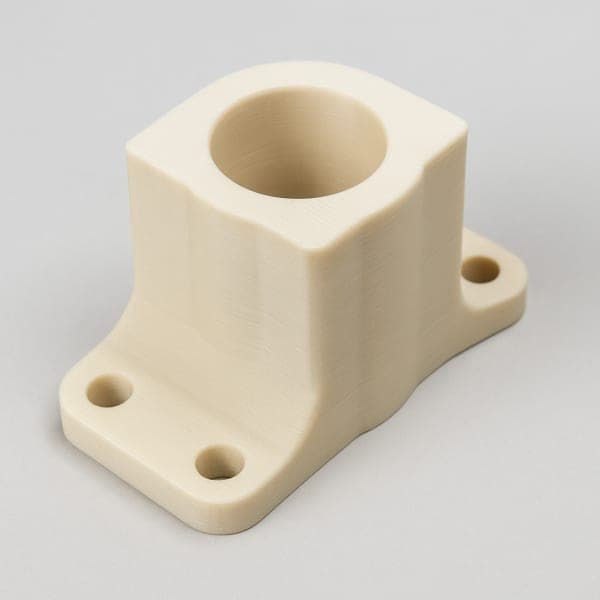
HP® VictrexAM™ 200 PAEK
VictrexAM™ 200 PAEK parts offer exceptional strength, heat resistance, and chemical stability. The material provides reliable dimensional accuracy and a matte tan surface ideal for demanding industrial applications.
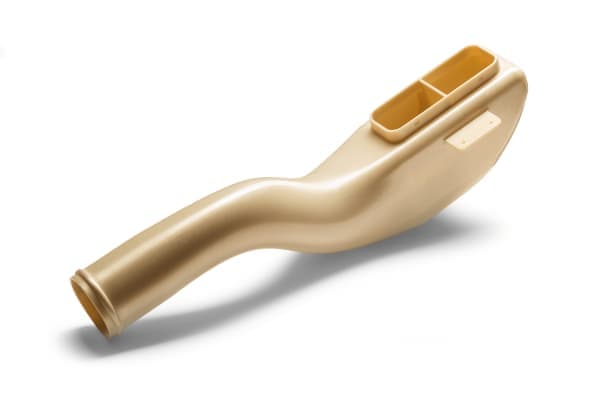
HP® ULTEM 9085
ULTEM 9085 is a high-performance thermoplastic with excellent chemical resistance and an extreme level of flame retardancy.
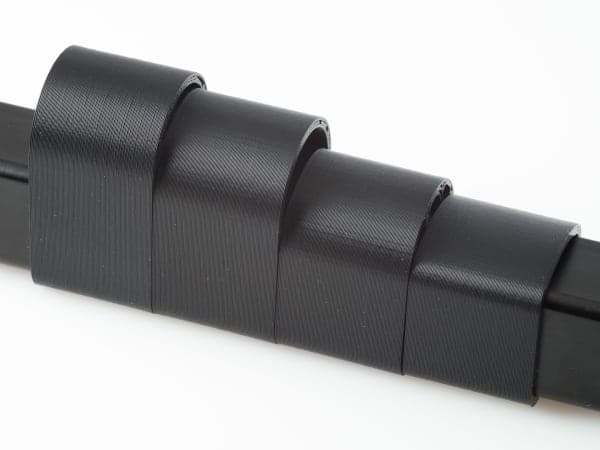
HP® Polycarbonate
Polycarbonate is an industrial-grade thermoplastic with high heat resistance and high strength.
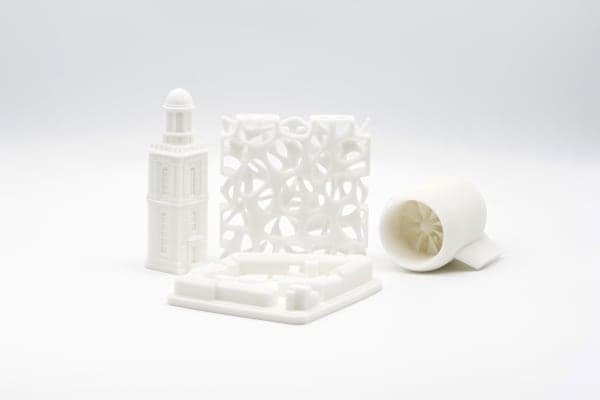
PMMA
PMMA's strength and toughness makes it great for functional parts and high-quality prototypes, while being relatively affordable.
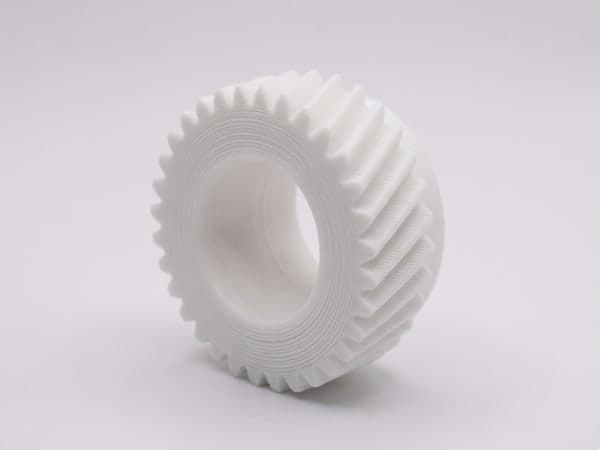
PC/PTFE
PC/PTFE is an advanced polycarbonate composite enriched with PTFE (Teflon). It offers high mechanical strength and exceptional abrasion resistance with low friction, making it ideal for industrial parts.
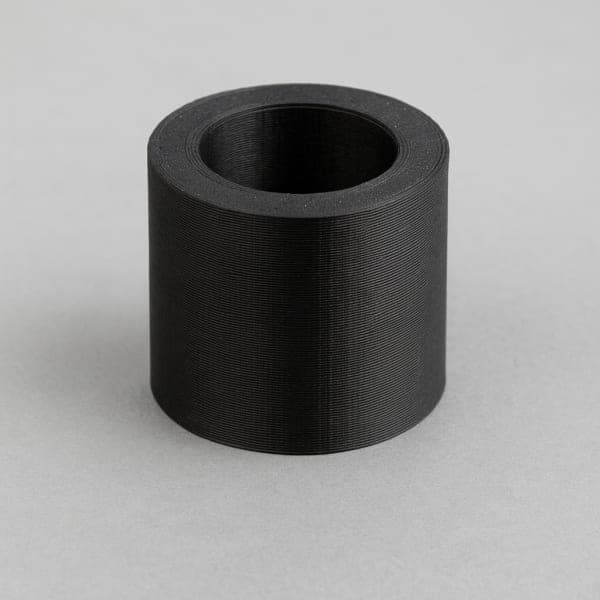
iglidur® I190-PF
High-strength, wear-resistant material for low-friction, dry-running parts. Ideal for bushings, gliding elements, and motion components in automation and machinery.
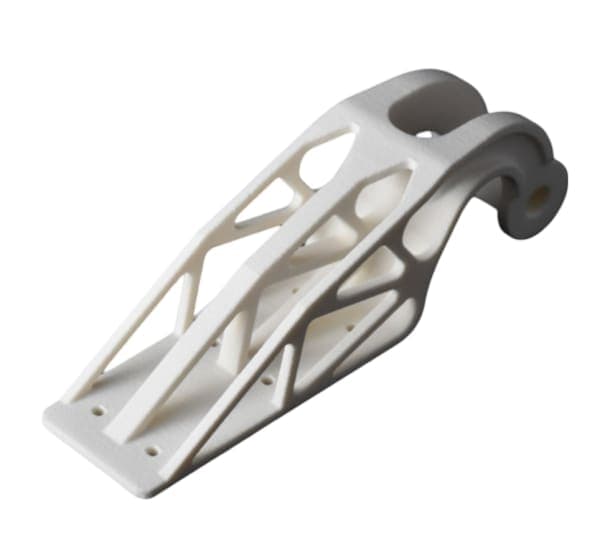
Flame Retardant SLS Nylon PA12
SLS PA2210 FR is a flame-retardant PA12 material, combining strength, chemical resistance, and fire safety, ideal for aerospace, automotive, and electronics applications requiring flame resistance.
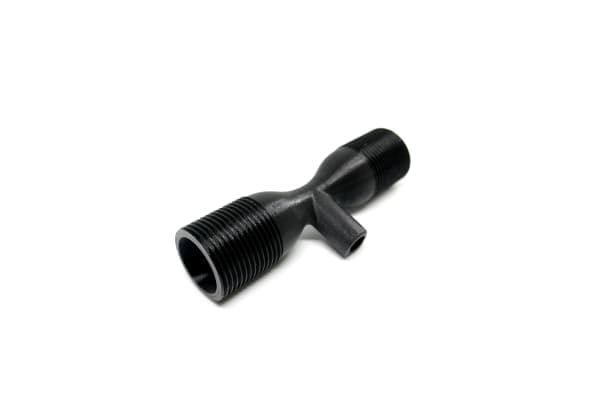
PVC
PVC filament is renowned for its exceptional durability and resistance to moisture. Its versatility and robustness make it a favored option for creating functional prototypes, outdoor signage, and parts that require water-resistant properties.
HP® PEEK
PEEK is a lightweight, industrial-grade thermoplastic polymer with high-temperature and pressure resistance.
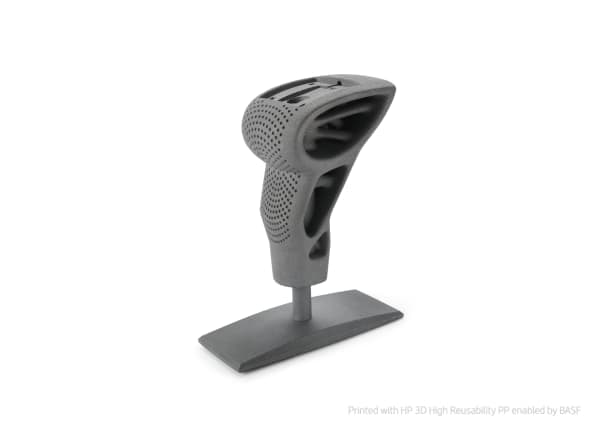
HP® 3D HR PP, enabled by Forward AM
Durable, flexible polypropylene for functional prototypes and lightweight, chemical-resistant parts.
26 materials
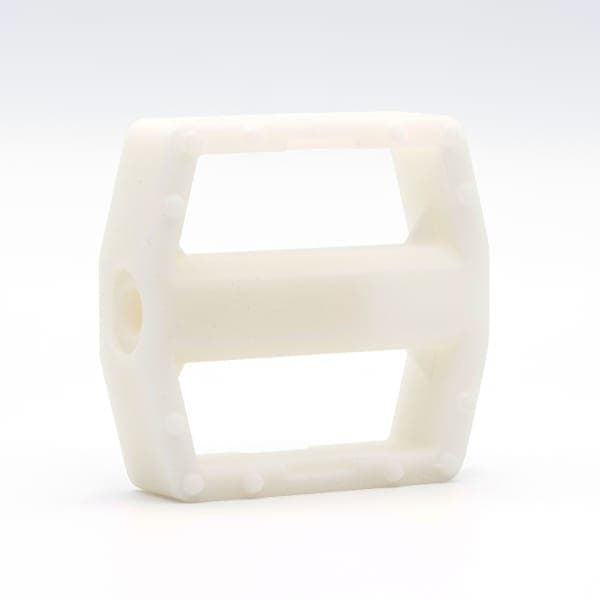
Tough Resin
Tough resin is an impact-modified photopolymer that trades some of standard resin's stiffness for significantly better elongation and impact resistance. This makes it better suited to functional parts that need to withstand stress without cracking.
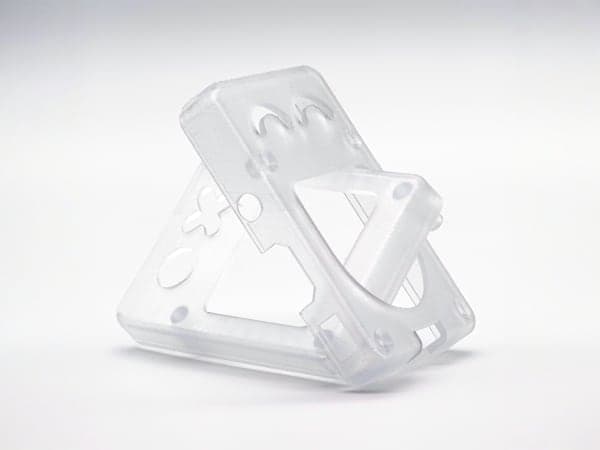
Translucent Resin
Translucent resin allows light to pass through with a soft, diffused effect rather than true see-through clarity. This makes it the practical choice when frosted light diffusion is the goal rather than optical clarity.
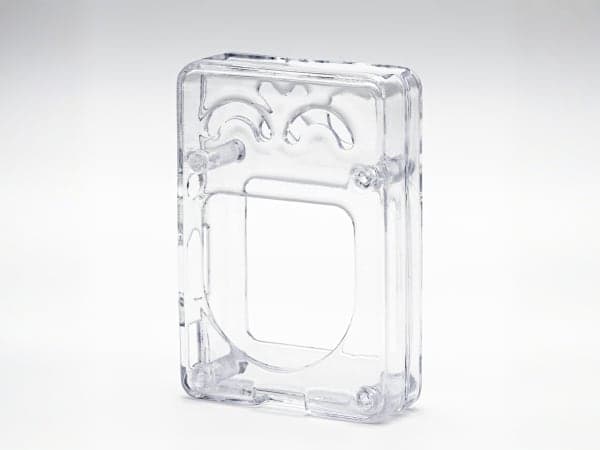
Transparent Resin
Transparent resin is a clear photopolymer that is capable of true glass-like optical clarity. It's an ideal choice for parts where you need to see clearly through the material.
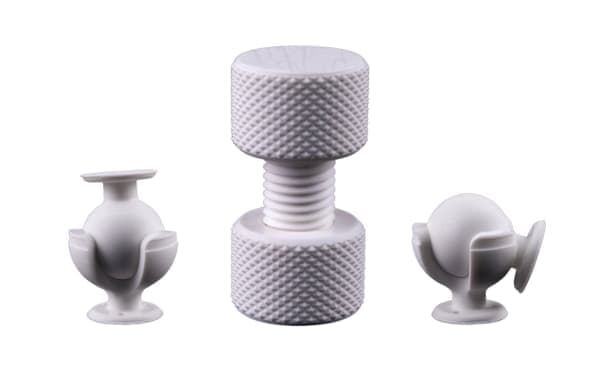
Nylon-Like Resin
Nylon-like resin is an impact-modified photopolymer formulated to mimic nylon's flexibility and toughness, offering meaningfully better durability than standard resin. However, it doesn't fully match the toughness of actual printed nylon.
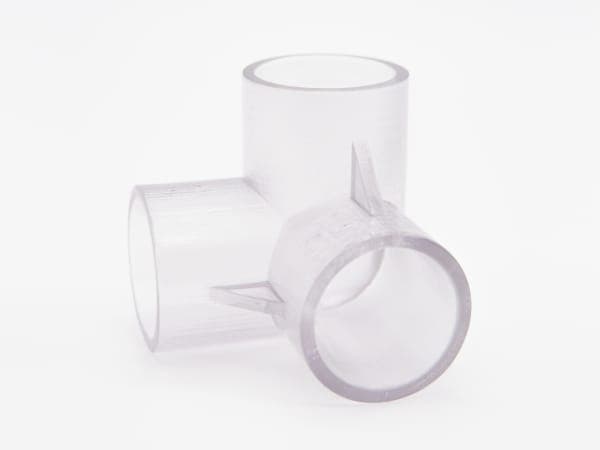
Accura® ClearVue
This high-clarity plastic has excellent humidity and moisture resistance and is ideal for a multitude of applications.
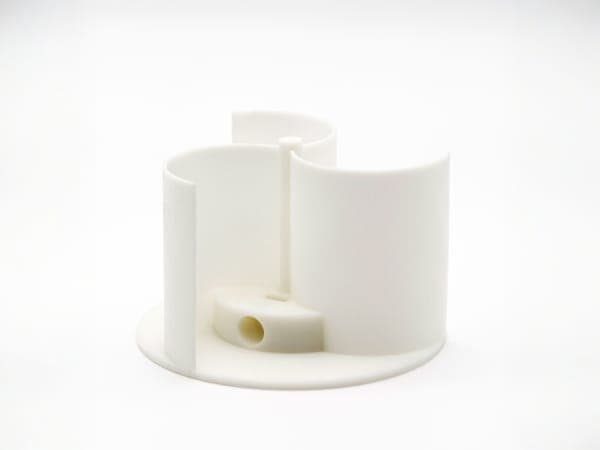
Somos® Evolve
Somos Evolve is the perfect material for strong, highly detailed functional prototypes and parts that need to withstand continuous usage.
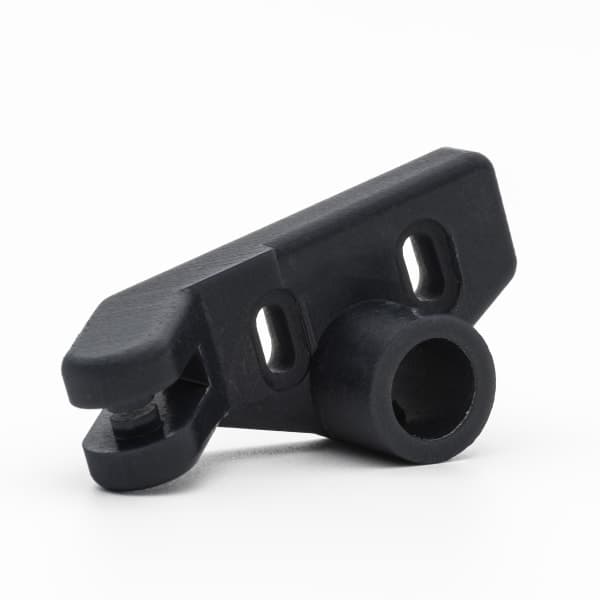
Somos® Taurus
Somos Taurus has high thermal and mechanical properties along with superior strength, high accuracy, and exceptional surface finish.
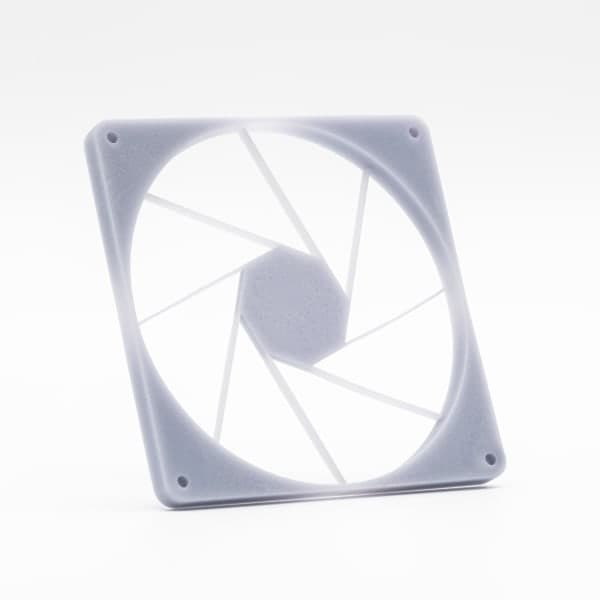
High-Temperature Resin
High-temperature resin offers a notably higher heat deflection temperature than standard resin. This makes it a strong choice for heat-resistant mounts, fixtures, and housings that need to hold their shape under sustained heat.
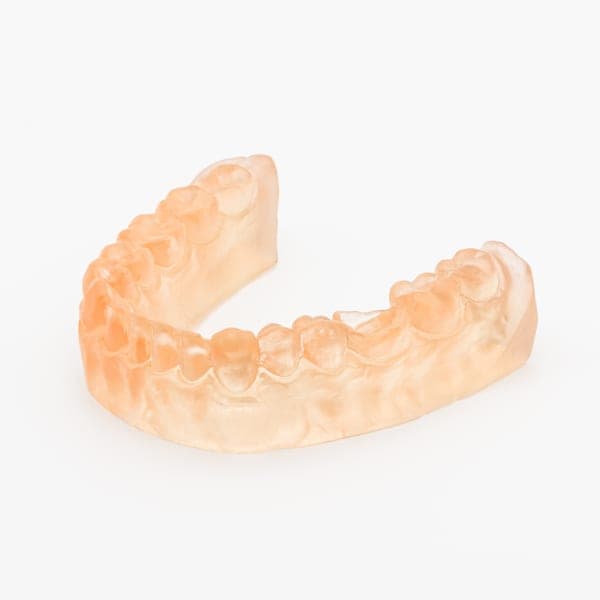
BioMed Resin
BioMed resin is a biocompatible photopolymer certified under ISO 10993 for medical device applications, with specific contact type and duration varying by exact formulation.
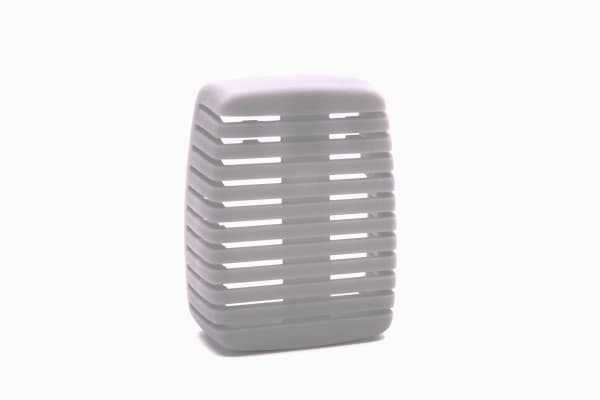
Accura® Xtreme
This ultra-tough gray plastic offers outstanding durability, accuracy, and aesthetics.
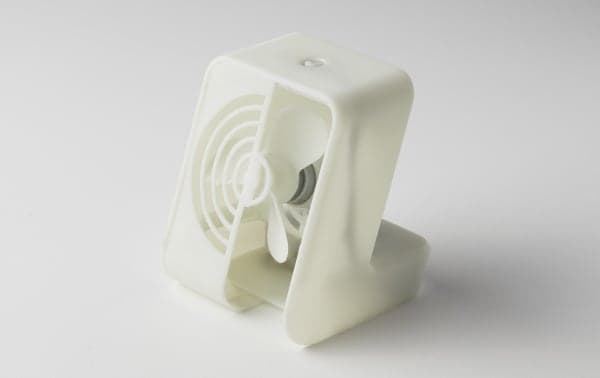
Rigid Resin
Rigid resin is a glass-reinforced photopolymer that offers a high level of detail, stiffness, and deformation resistance.
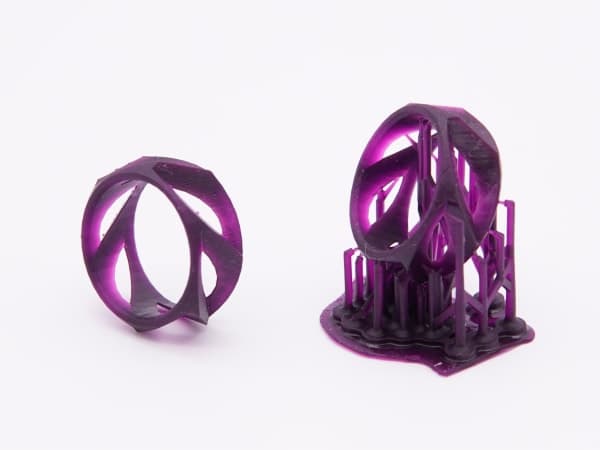
Castable Resin
Castable resin is a synthetic photopolymer engineered to burn out cleanly with minimal ash during investment casting. It offers a more affordable alternative to wax-based casting patterns.
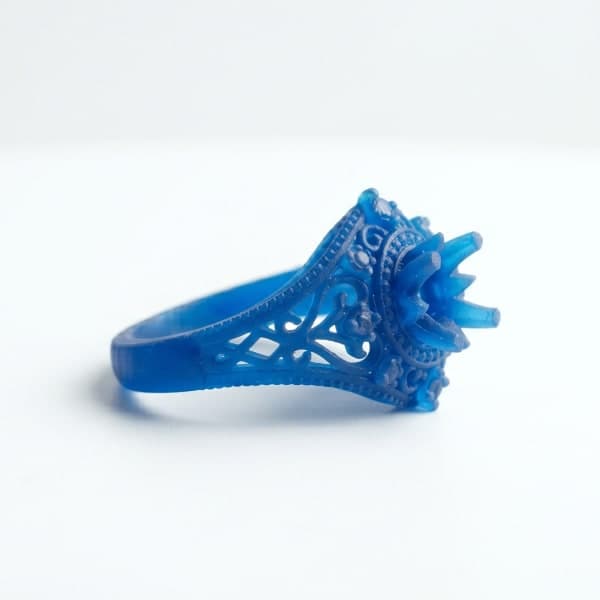
Castable Wax Resin
Castable wax resin blends real wax into a photopolymer base, combining standard resin printer compatibility with burnout behavior closer to pure wax than standard castable resin achieves.
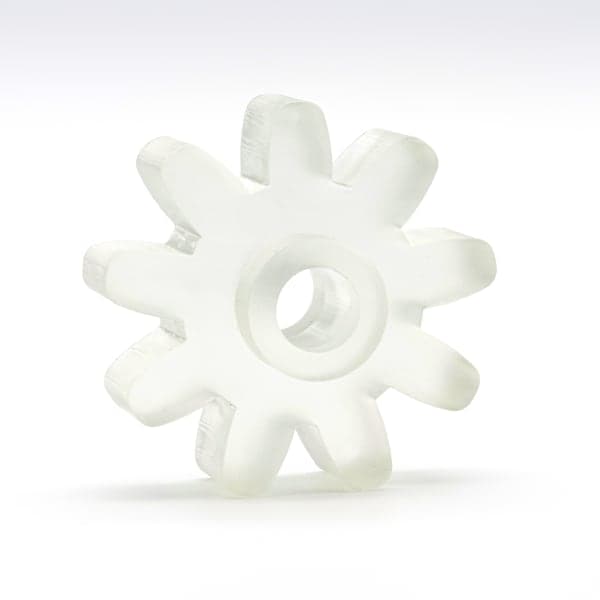
Durable Resin
Durable resin is a polypropylene-like photopolymer with low modulus, high elongation, and the highest impact strength of common resin options. It is ideal for pliable parts like living hinges and low-friction moving components.
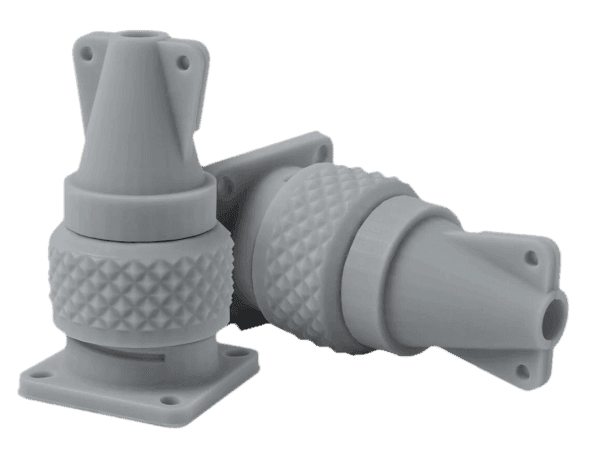
Flame Retardant Resin
Flame retardant resin is a photopolymer that self-extinguishes rather than sustaining flame, which makes it a strong choice for electronics and industrial parts near heat or ignition sources.
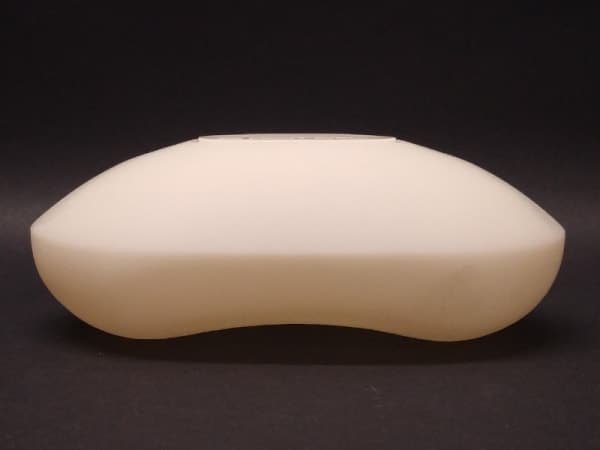
Accura® 25
This is a rigid plastic (Shore 80D) used to simulate and replace traditional CNC-machined polypropylene parts.
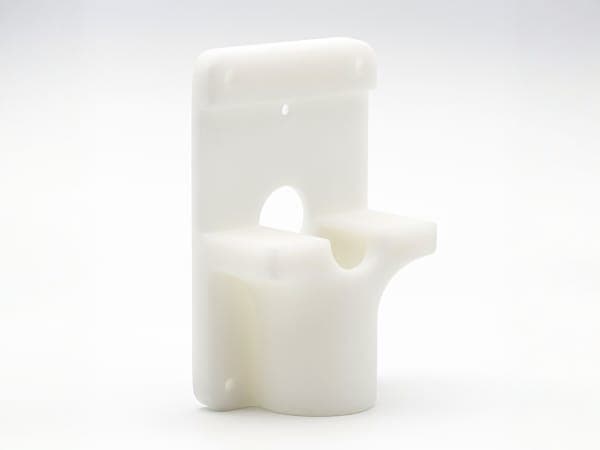
Somos® GP Plus 14122
Somos GP Plus 14122 is ideal for functional prototypes, concept models, and low volume production parts.
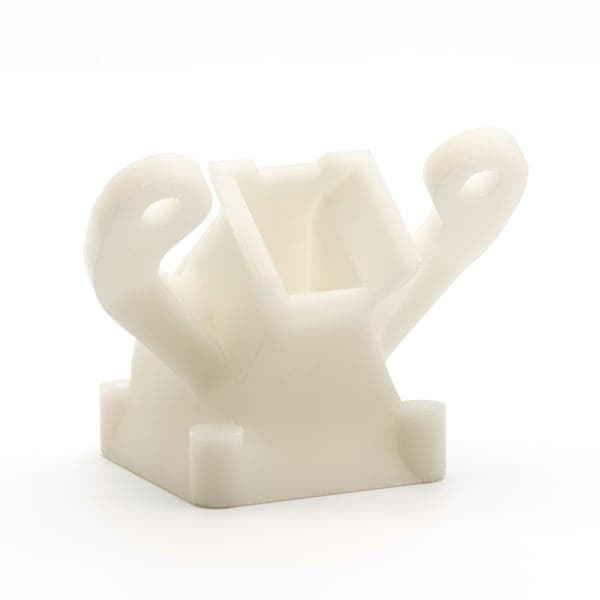
Somos® PerFORM
Somos PerFORM is the material of choice for applications that require strong, stiff, temperature-resistant composite parts.
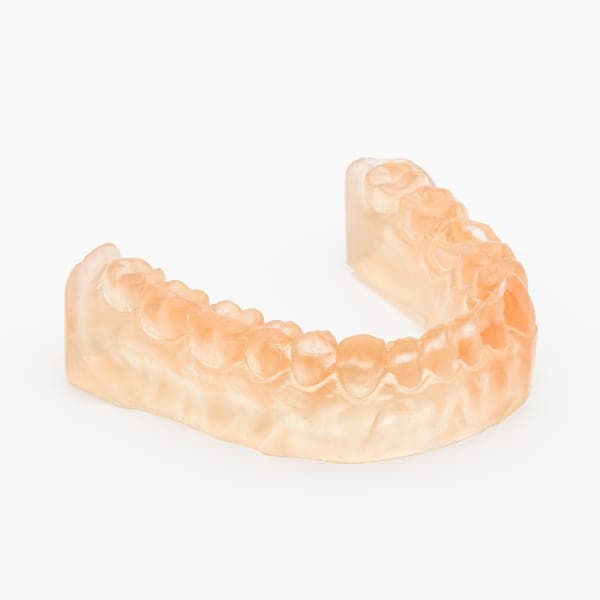
Surgical Guide Resin
Formlabs's surgical guide resin is a CE certified, biocompatible material that meets Class I requirements.
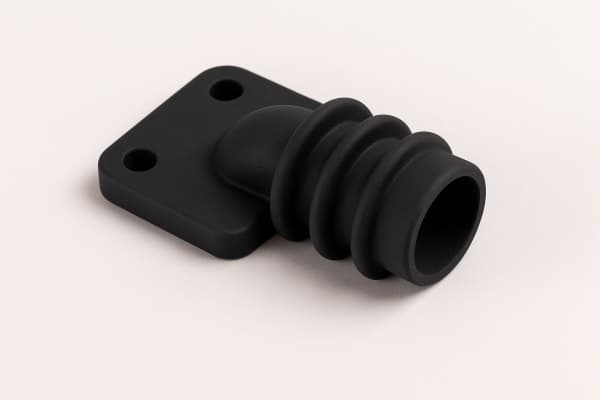
Figure 4® RUBBER-BLK 10
Figure 4® RUBBER-BLK 10 is a flexible, durable material with rubber-like properties. Parts feature a smooth black finish and excellent tear resistance, ideal for seals, gaskets, and other elastomeric applications.
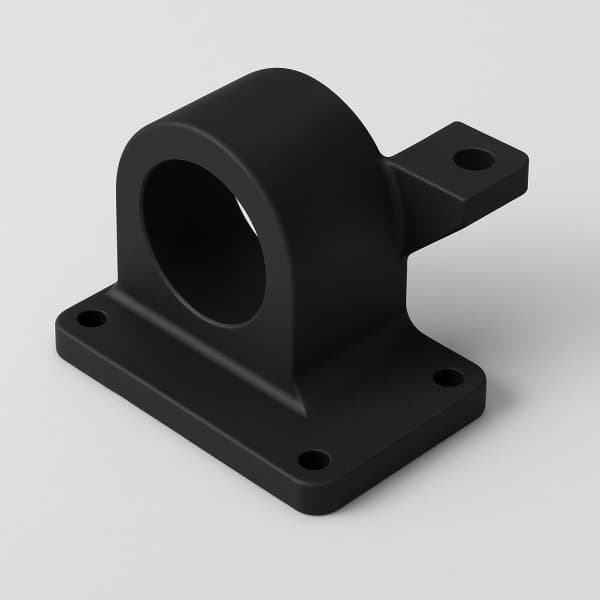
Figure 4® High Temp 150 °C FR Black
Figure 4® High Temp 150 °C FR Black is a flame-retardant material with high thermal stability and rigidity. Parts have a smooth black surface finish and are ideal for functional applications requiring heat and flame resistance.
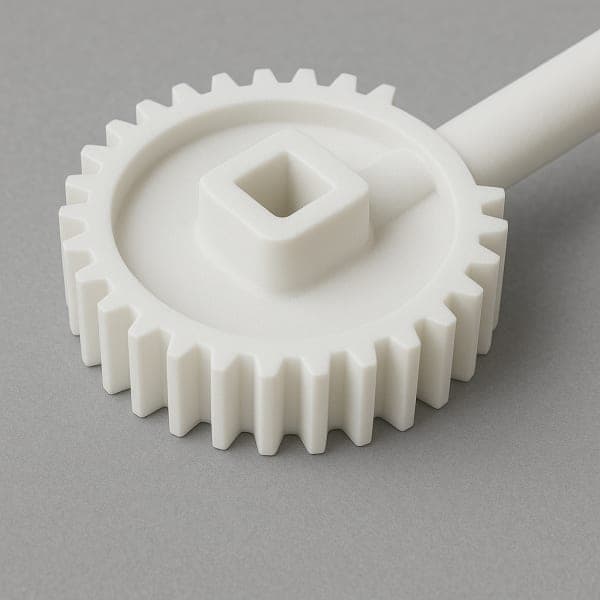
BASF® Ultracur3D® RG 3280
BASF® Ultracur3D® RG 3280 is a ceramic-filled resin designed for functional 3D printing. It offers high stiffness, excellent heat resistance, and a smooth white finish, making it ideal for durable prototypes and demanding end-use parts.
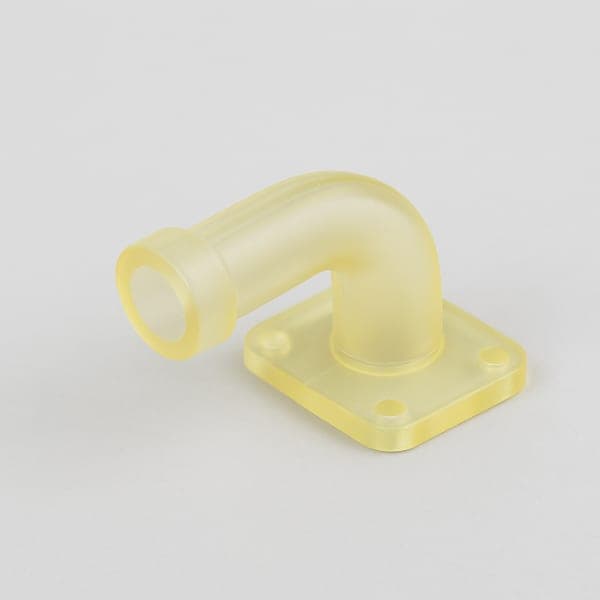
BASF® Ultracur3D® EL 60
Ultracur3D® EL 60 is a flexible, clear resin with excellent elasticity, tear resistance, and durability. It combines rubber-like performance with high accuracy, making it suitable for functional prototypes and industrial parts.
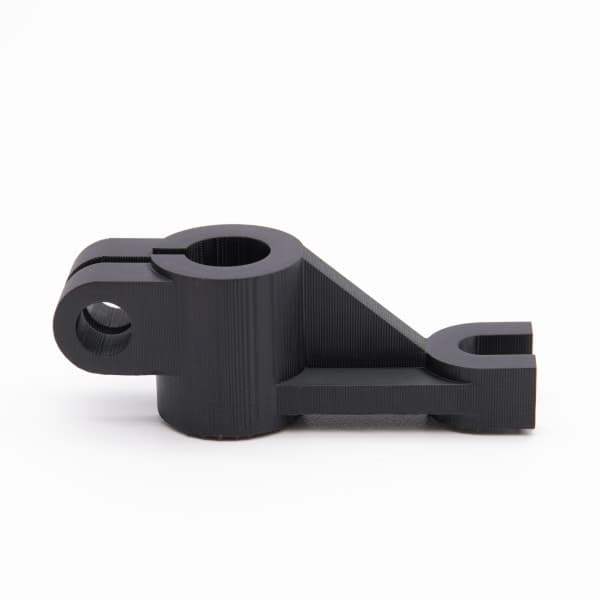
Rigid Polyurethane
Rigid Polyurethane is very stiff and strong with material properties that outperform ABS plastic and rivals Nylon. This material is perfect for mechanical parts that need to be tough, heat-resistant, and abrasion-resistant.
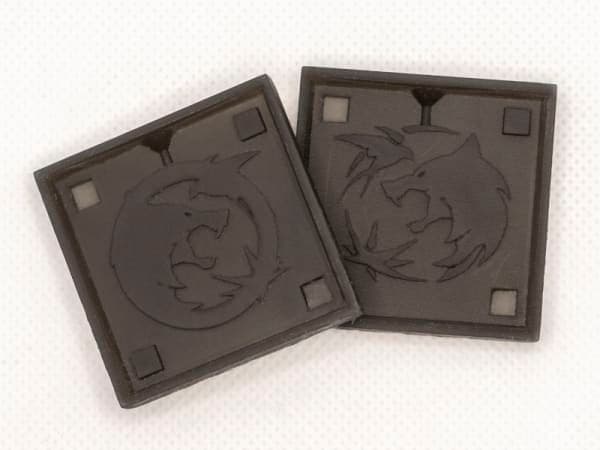
EnvisionTEC E-Mould
E-Mould is a strong, high detail material, which can be used to print molds used for injection molding of various plastics.
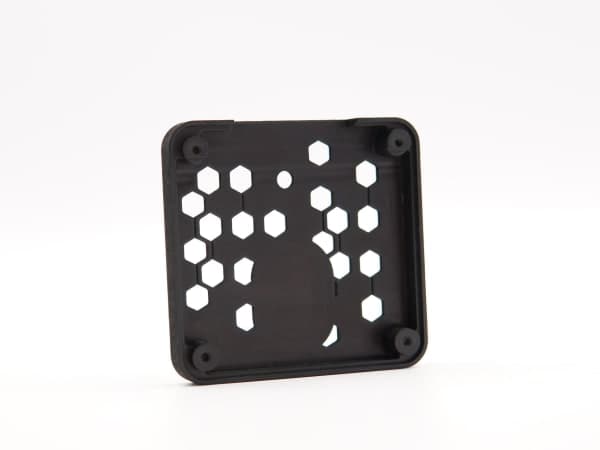
VisiJet® M2S-HT90
VisiJet® M2S-HT90 is a strong and rigid material for applications requiring temperature resistance and/or rigidity, ideal for rapid tooling, under the hood parts, enclosures and housings
4 materials
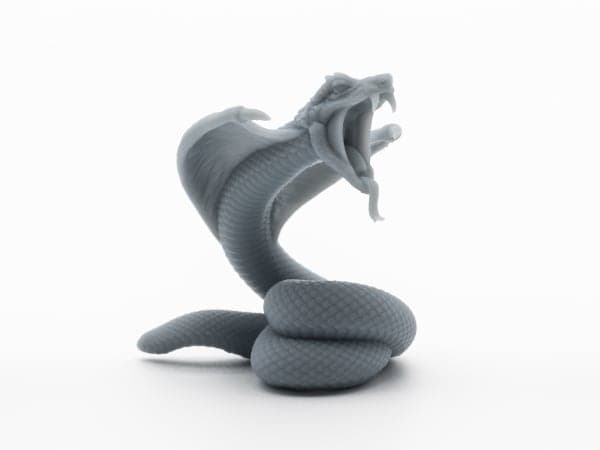
Standard Resin
Standard resin is a general-purpose photopolymer optimized for fine detail and a smooth surface finish. It offers good rigidity but limited impact resistance, making it suitable for visual models and detailed prototypes, rather than functional parts.
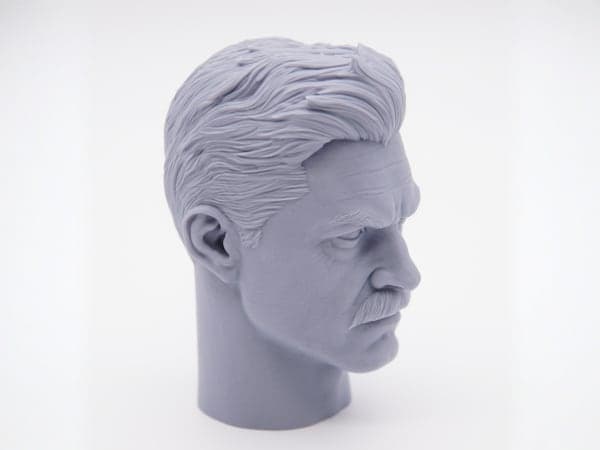
High-Detail Resin
High-detail resin is a photopolymer formulated to minimize shrinkage and maximize edge sharpness and surface resolution, capturing extremely fine features like engraved text and fabric texture that other materials can't reproduce as reliably.
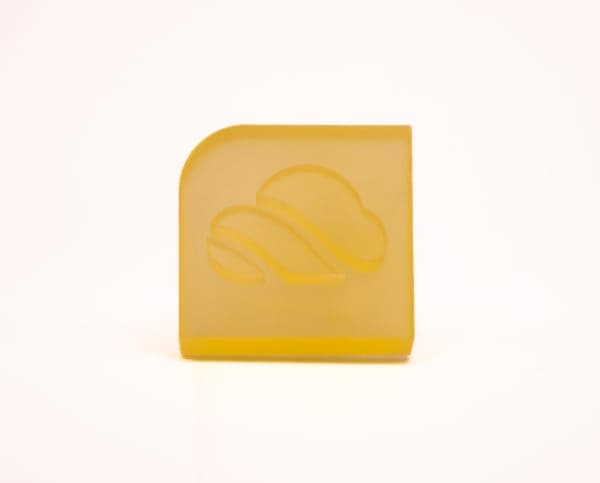
VisiJet® M2R-TN
VisiJet® M2R-TN parts have a durable, tan-colored finish with excellent impact resistance and dimensional accuracy. Ideal for functional prototypes and mechanical components, they offer high performance straight from the printer.
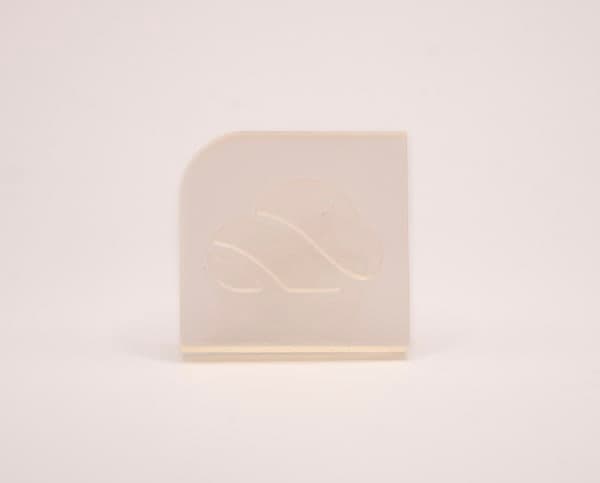
VisiJet® Armor M2G-CL
VisiJet® Armor M2G-CL offers high strength, impact resistance, and precise dimensional accuracy. The material’s light gray color and durability make it ideal for functional prototypes and end-use parts that require high mechanical performance.
19 materials
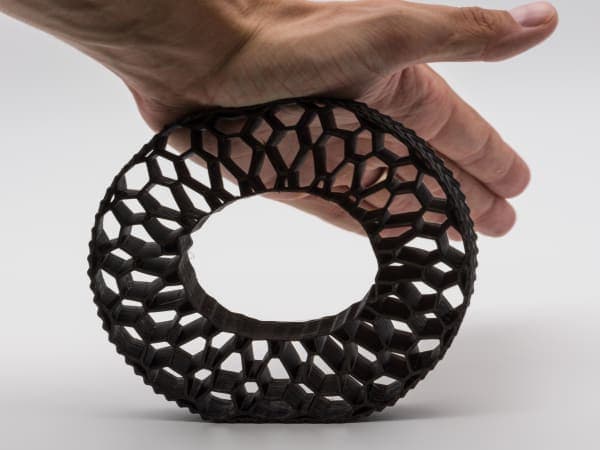
FDM TPU
TPU is a versatile elastomer family that ranges from soft, highly stretchable rubber-like grades to firmer, semi-rigid formulations.
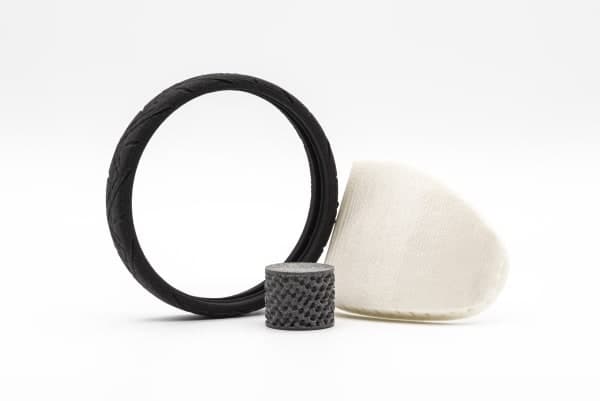
SLS/MJF Flexible TPU
Flexible TPU is a rubber-like, tear-resistant material with very good shock absorption and abrasion resistance that's suited to flexible functional prototypes and wear-prone parts.
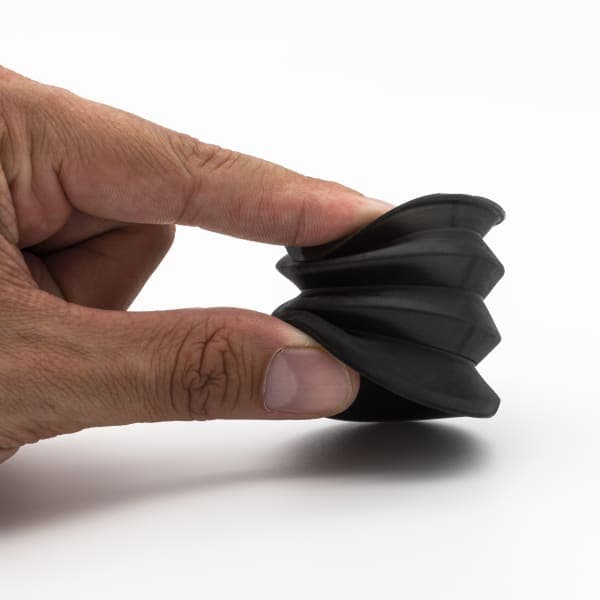
Elastic Resin
Elastic resin (Shore 50A–65A) is a soft, rubber-like photopolymer with high elongation and good rebound, ideal for prototyping silicone-like parts that need to stretch, compress, and flex repeatedly.
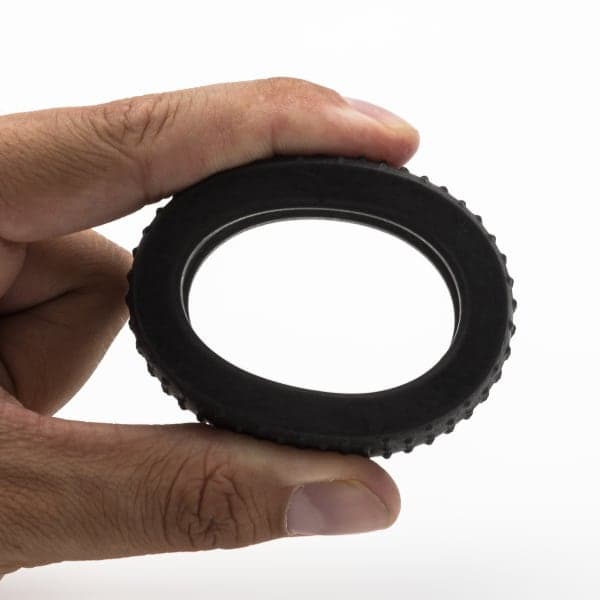
Flexible Resin
Flexible resin (Shore 80A) is a soft-touch, rubber-like photopolymer similar in firmness to a shoe heel. It combines flexibility with more rigidity and detail retention than elastic resin.
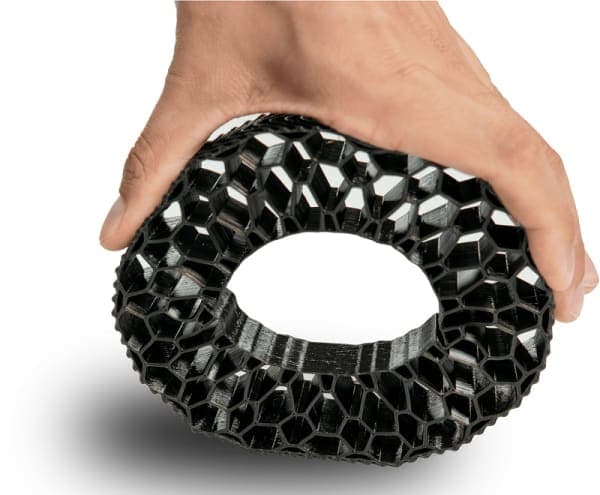
FDM TPE
FDM TPE is a softer, more rubber-like flexible material than TPU. It offers excellent comfort and stretch for grip and cushioning applications, though with less abrasion, chemical, and heat resistance.

Silicone Rubber
Elastic silicone rubber (AR-G1) allows for thin walls and fine details while still providing the resistance and flexibility of silicone.

Silicone Resin
Silicone resin for SLA 3D printing produces soft, flexible parts with rubber-like elasticity and durability. It offers excellent rebound, fine detail resolution, and reliable performance for seals, gaskets, and functional flexible prototypes.

Spectroplast® TrueSil
TrueSil is a 3D printable pure silicone offering high flexibility, biocompatibility, and durability. Ideal for seals, wearables, and medical parts, it resists heat, UV, and repeated deformation.
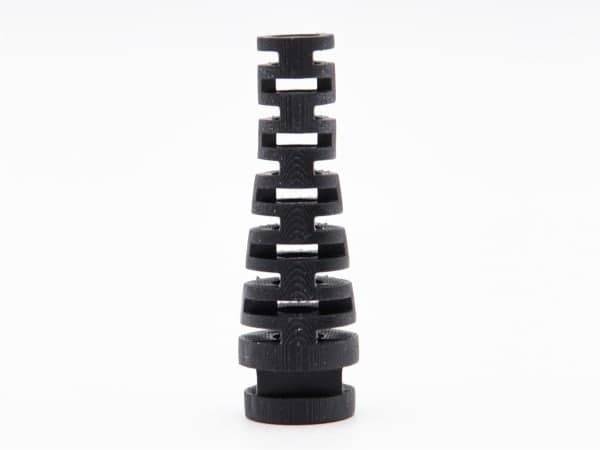
Elastomeric Polyurethane
Elastomeric Polyurethane, or EPU, is a high-performance polyurethane elastomer. It exhibits excellent elastic behavior under cyclic tensile and compressive loads.
FDM TPU-ESD
FDM TPU-ESD is an engineering-grade thermoplastic chosen for its balance of flexibility and protection against electrostatic discharge.
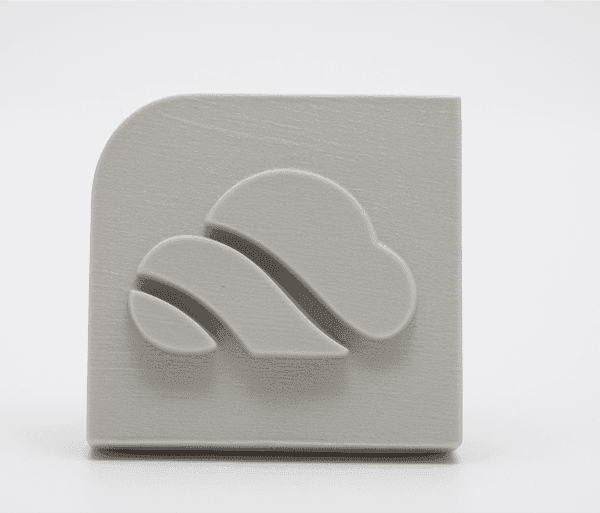
Inkbit® TEPU 50A
TEPU 50A by Inkbit® is a soft, rubber-like polyurethane ideal for flexible parts that need durability and precision. With a Shore hardness of 50A, it’s perfect for seals, cushioning, wearables, and soft robotics.
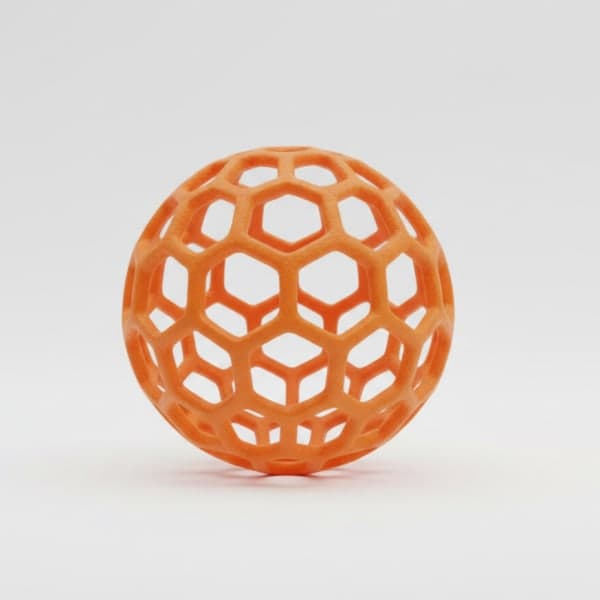
FDM PEBA
PEBA is a high-performance flexible material that combines the strength of nylon with the elasticity of rubber. It is characterized by its ultra-lightweight structure and a "high rebound" effect, delivering up to 85% energy return for dynamic parts.
SLS PEBA
SLS-printed PEBA is an industrial-grade elastomer known for its "super-bounce" energy return and lightweight durability. These parts are exceptionally resilient, maintaining rubber-like flexibility and high impact resistance even at -60 °C.
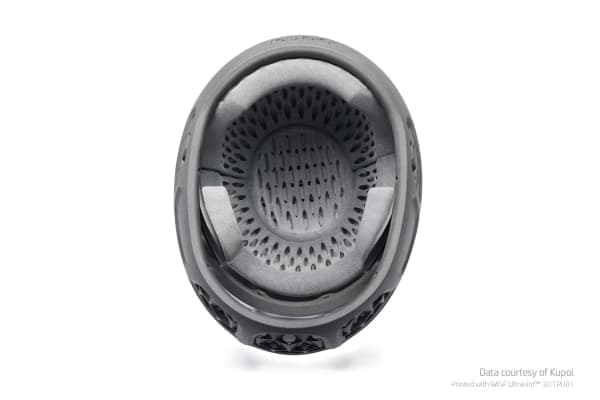
HP® 3D HR TPU 01
Flexible and durable TPU for HP MJF, perfect for functional prototypes, wearables, and elastic components.
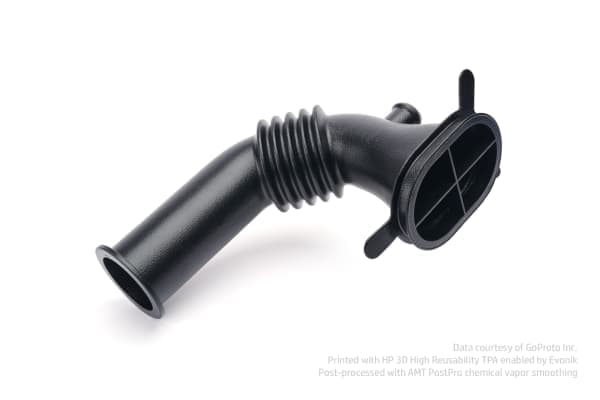
HP® 3D HR TPA, enabled by Evonik
HP 3D HR TPA is a durable, flexible elastomer for MJF printing, perfect for functional parts like gaskets, seals, and wearables that require repeated bending or impact resistance.
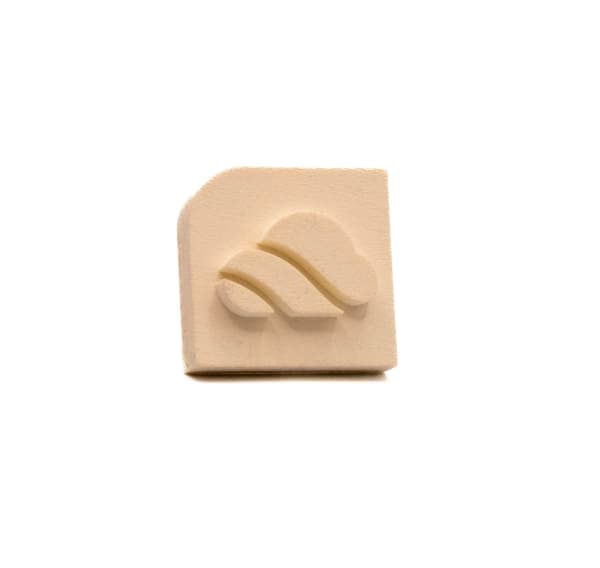
Inkbit® TEPU 30
A soft, flexible polyurethane with Shore A 30 hardness, Inkbit® TEPU 30 delivers smooth, durable, and highly detailed parts ideal for gaskets, seals, and cushioning components.
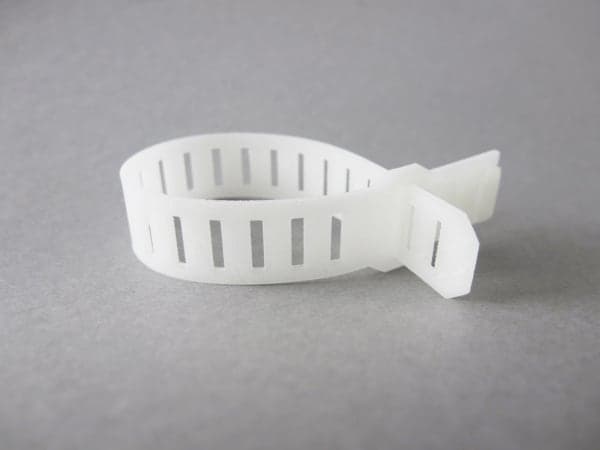
SLS Flexible TPE
SLS TPE is a versatile, flexible material known for its rubber-like elasticity, thermal stability, and chemical resistance. Common applications are hoses, seals, gaskets, footwear, and medical devices.
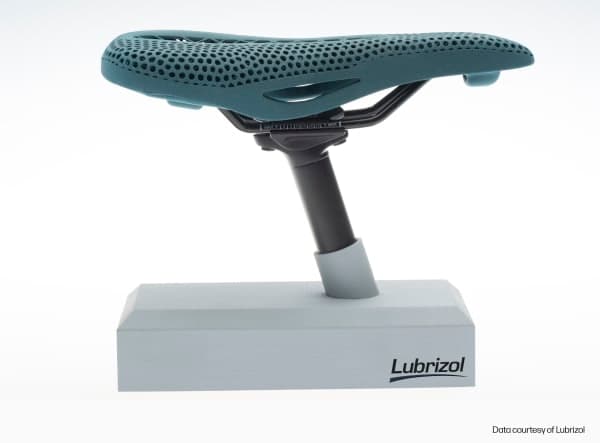
Estane® 3D TPU M88A
A flexible, wear-resistant TPU for MJF 3D printing, ideal for gaskets, seals, and parts that need repeated bending or deformation.
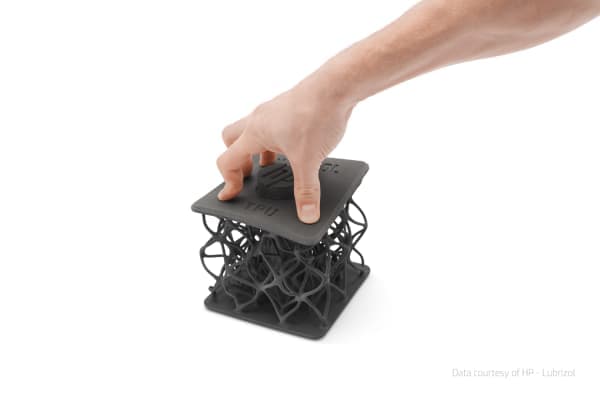
Estane® 3D TPU M95A
Durable, flexible TPU with high elasticity, abrasion resistance, and chemical stability for functional and wearable parts.
26 materials
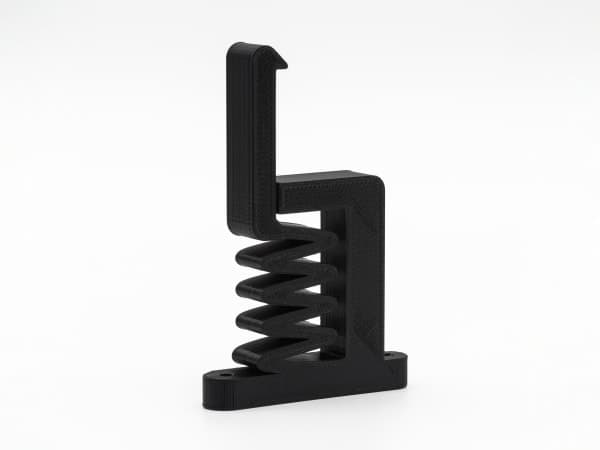
Carbon Fiber PETG
Carbon fiber PETG is a reinforced composite that adds significant stiffness and dimensional stability to standard PETG, trading some impact resistance for rigidity. It is ideal for parts that need to hold their shape under load.
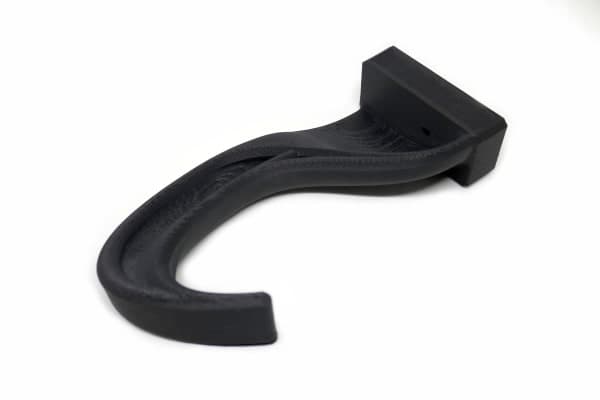
Carbon Fiber ASA
Carbon fiber ASA is a reinforced composite that adds stiffness and dimensional stability to standard ASA while retaining its signature UV and weather resistance. It is a strong choice for structural outdoor parts.
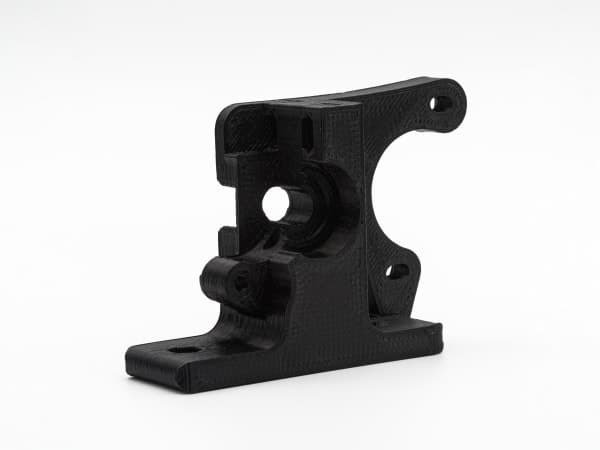
Carbon Fiber FDM Nylon
Carbon fiber nylon is a reinforced composite that significantly increases stiffness and heat resistance over standard nylon, trading away some of nylon's signature impact resistance and flexibility in the process.
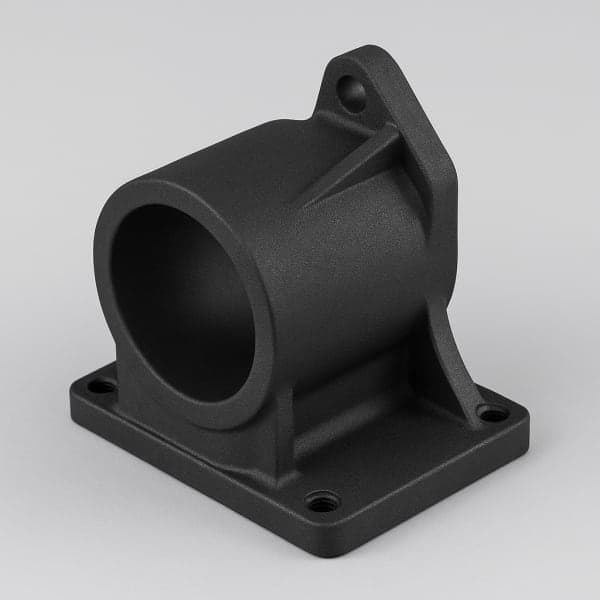
Carbon Fiber PPA
Carbon fiber PPA is a high-performance composite that pushes heat resistance and dimensional stability well beyond standard carbon fiber nylon. It is suited to demanding engineering applications exposed to elevated temperatures.
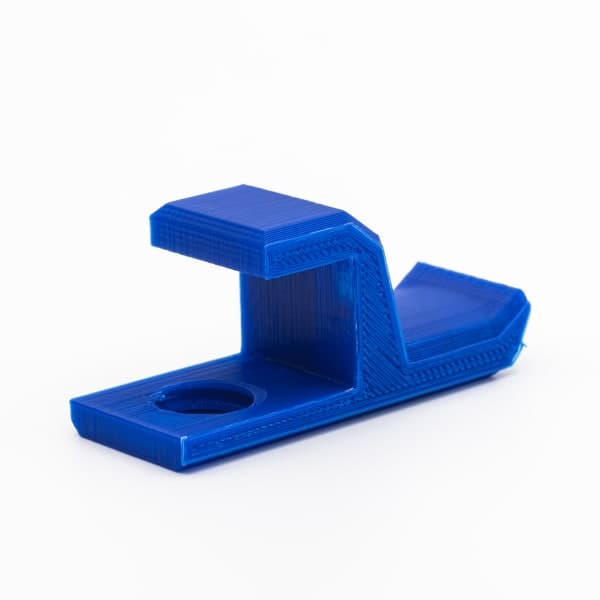
Carbon Fiber PLA
Carbon Fiber PLA is a reinforced composite that significantly increases stiffness and dimensional stability over standard PLA, though this comes at the cost of increased brittleness.
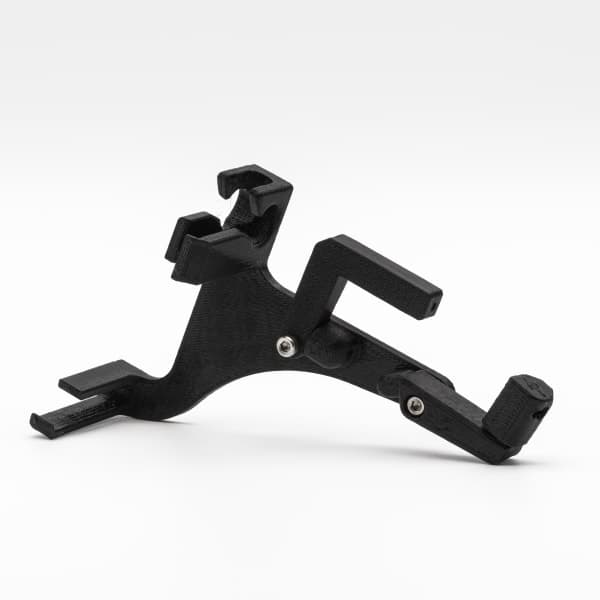
PC-ABS
PC-ABS is a polymer blend that combines polycarbonate's heat resistance and toughness with ABS's easier processability and dimensional stability, striking a middle ground between the two.
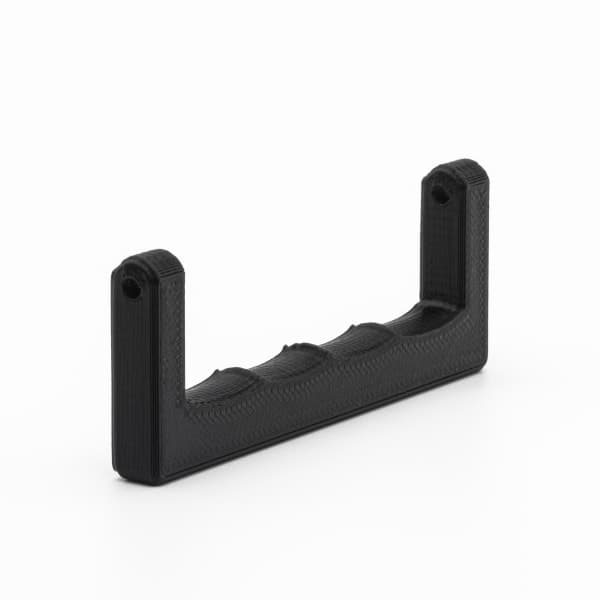
Carbon Fiber Polycarbonate
Carbon fiber polycarbonate (PC-CF) adds significant stiffness, heat resistance, and dimensional stability to standard PC.
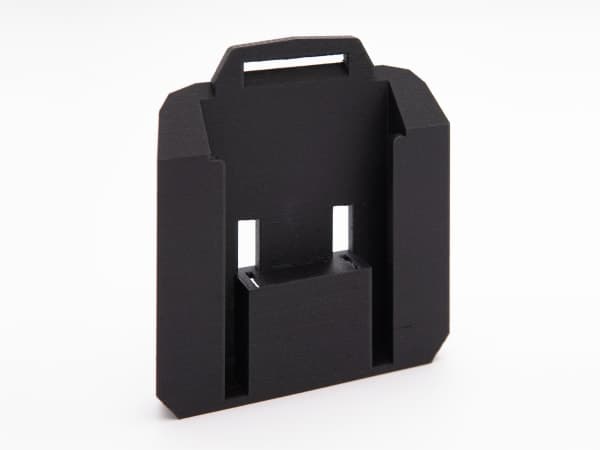
GreenTec Pro Carbon
GreenTEC Pro Carbon is a biopolymer made from renewable resources combined with 10% carbon fiber. The material offers high rigidity, very good mechanical properties and an increased temperature resistance.
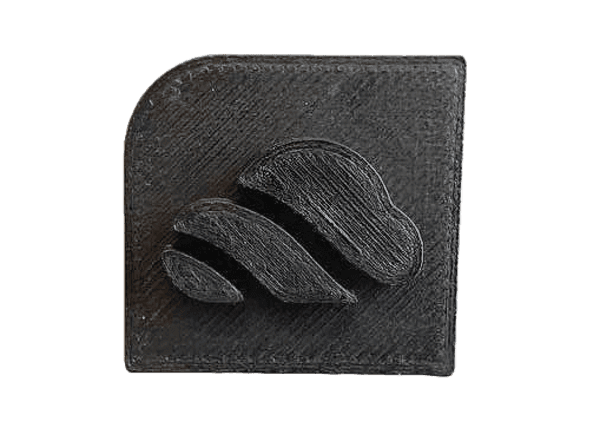
Glass Fiber ASA
Glass Fiber ASA enhances standard ASA with glass fiber reinforcement, offering greater stiffness, heat resistance, and dimensional stability. It resists UV and weathering, making it ideal for outdoor and structural applications.
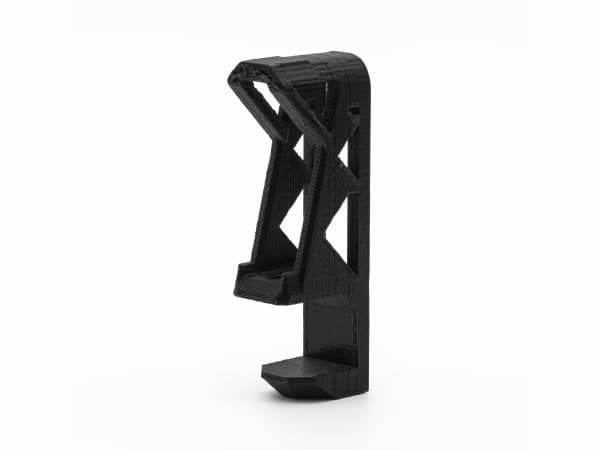
Carbon Fiber ABS
CF-ABS is made using ABS and 15% high-modulus carbon fiber.
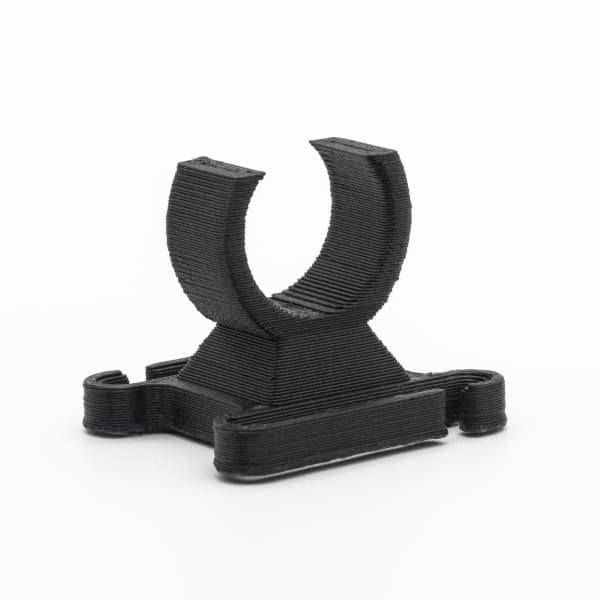
Carbon Fiber PEEK
Carbon-reinforced PEEK is stronger and stiffer than normal PEEK.
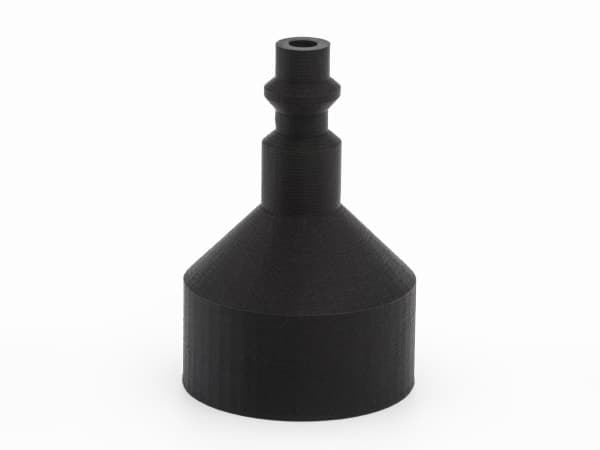
Markforged® Onyx
Onyx is a carbon fiber reinforced nylon that is used to print strong prototypes or end-use parts.
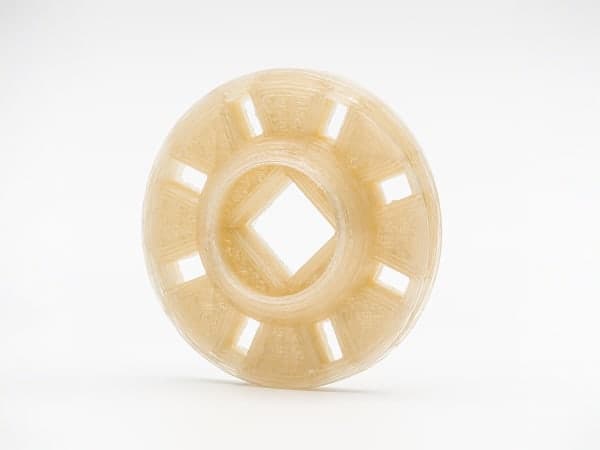
Glass Fiber PEEK
Glass fiber reinforced PEEK is one of the highest-performance plastics available in the market. It exhibits exceptional mechanical, thermal, and chemical resistance properties.
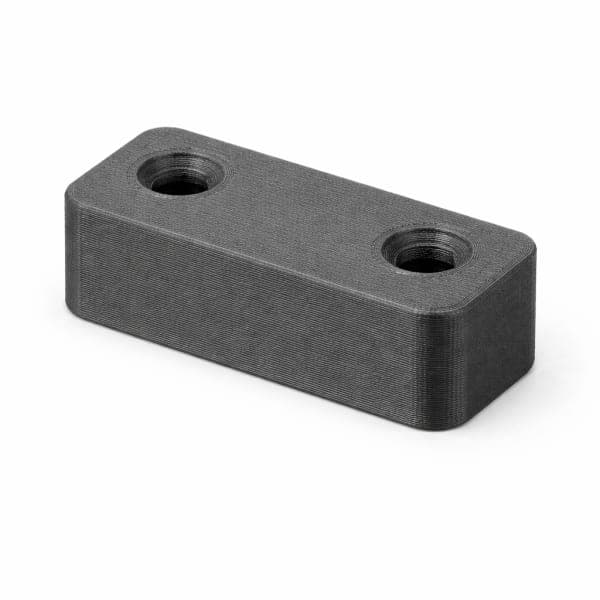
Carbon Fiber PET
PET CF is a carbon fiber-reinforced PET filament offering high stiffness, dimensional stability, and improved strength for lightweight, functional FDM parts.
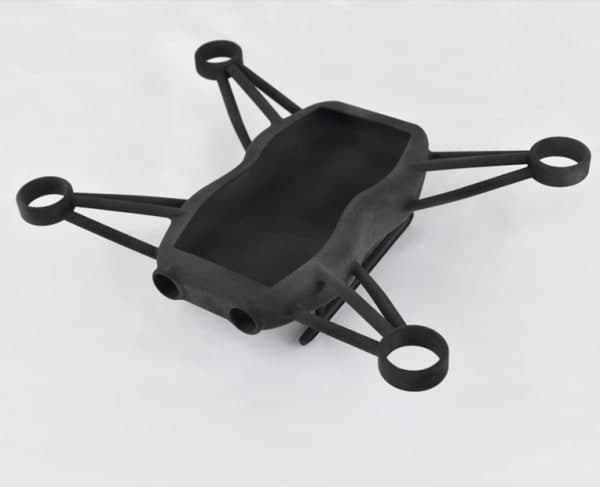
SLS Nylon PA11 Carbon Fiber
Carbon-filled PA-11 Nylon is stiffer than regular nylon and is best used for applications where a high strength-to-weight ratio is needed.
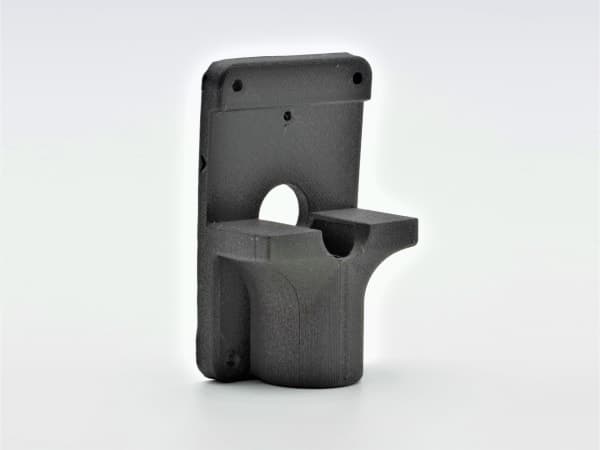
Nylon PA12 CCF
PA12 CCF is a is a co-extruded material consisting of nylon PA12 with a composite of nylon and continuous carbon fibers. This unique combination gives the finished part a smooth surface along with high strength, toughness, and durability.
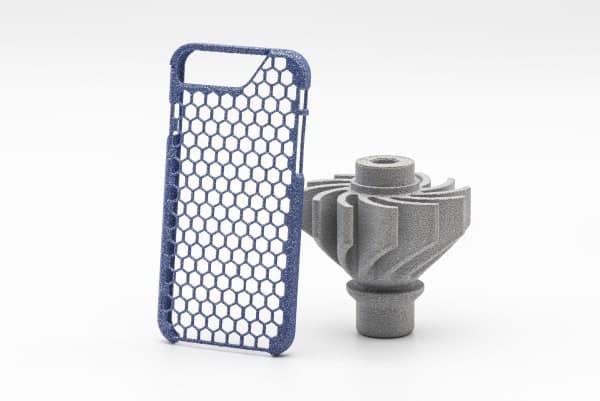
Alumide
Alumide is made from nylon and aluminum powder, and it produces strong, high-temperature-resistant parts.
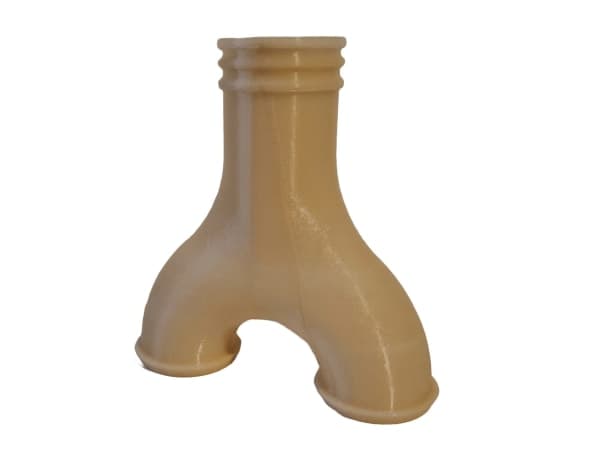
Glass Fiber ULTEM 1010
Glass-fiber reinforced ULTEM 1010 is a robust thermoplastic with excellent strength, thermal stability, and chemical resistance. Glass fibers enhance its stiffness, dimensional stability, and strength-to-weight ratio.
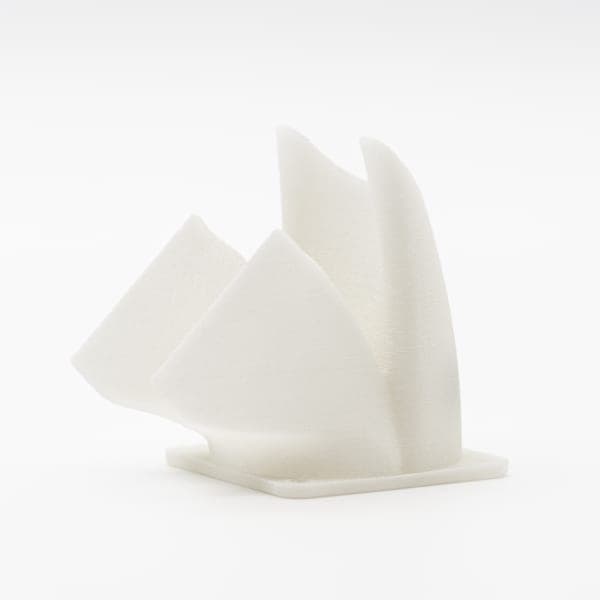
BASF® Glass Fiber Polypropylene
Glass-filled polypropylene is a tough material with high strength that is also resistant to high temperatures. It is suitable for functional verification of product prototypes.
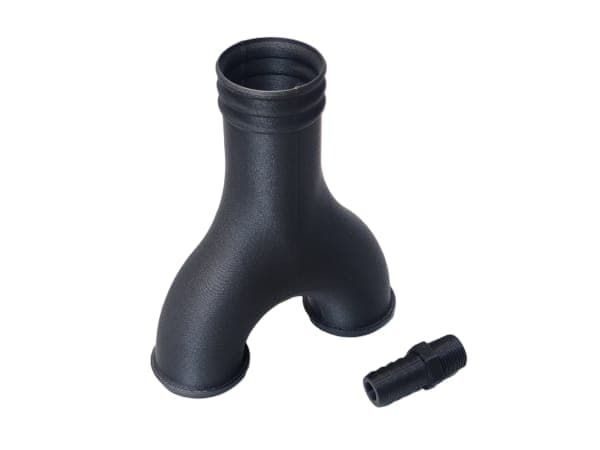
Carbon Fiber ULTEM 9085
Carbon-reinforced ULTEM 9085 is stronger and stiffer than normal ULTEM 9085.
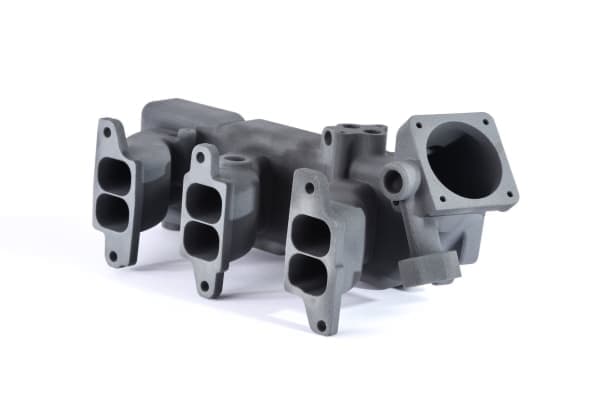
SLS PEKK-CF
PEKK-CF is a high-performance carbon-fiber reinforced thermoplastic suitable for SLS 3D printing, combining excellent mechanical strength, thermal stability, and chemical resistance for demanding industrial applications.
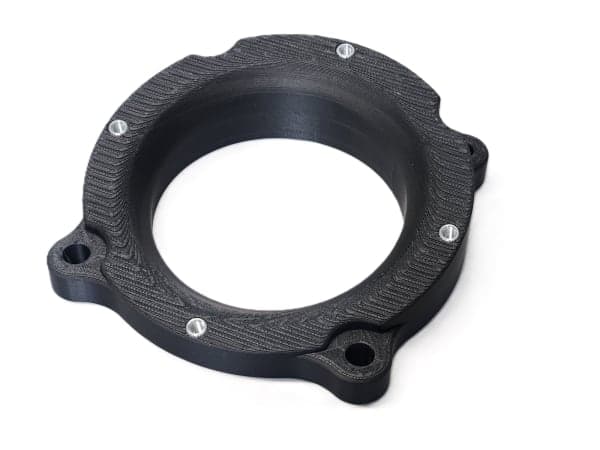
Carbon Fiber PEKK
Carbon-reinforced PEKK is stronger and stiffer than normal PEKK.
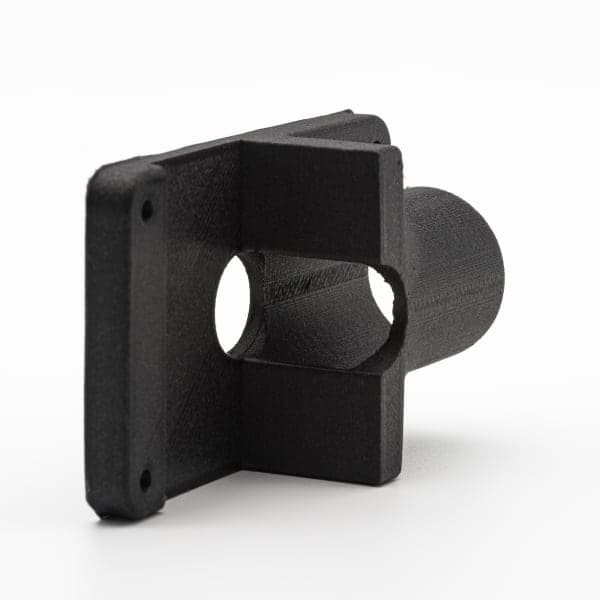
Nylon PA12 CBF
PA12 CBF is a co-extruded material consisting of nylon PA12 with a composite of nylon and continuous basalt fibers. This unique combination gives the finished part a smooth surface along with strength, toughness, and durability.
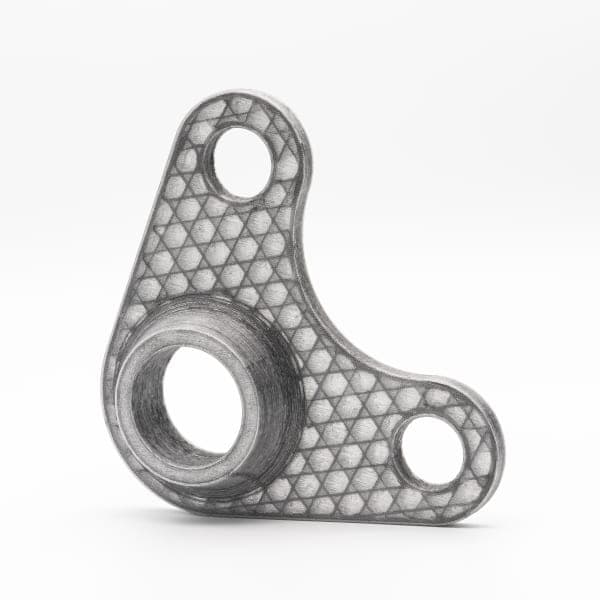
PETG CCF
PETG CCF is a co-extruded material consisting of Clear PETG with a composite of PETG & continuous carbon fibers. This unique combination results in a part with 20 times the tensile strength of PETG with a smooth translucent finish.
HP® Carbon Fiber Nylon
Carbon-fiber reinforced nylon is a strong and heat-resistant material, commonly used to print strong and functional parts.
HP® Carbon Fiber PEEK
Carbon-reinforced PEEK is stronger and stiffer than normal PEEK.
7 materials
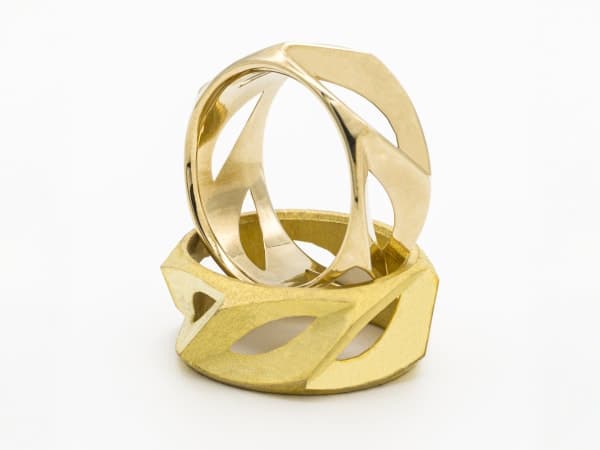
Brass
Brass is a versatile material that is great for jewelry prototypes and final parts.
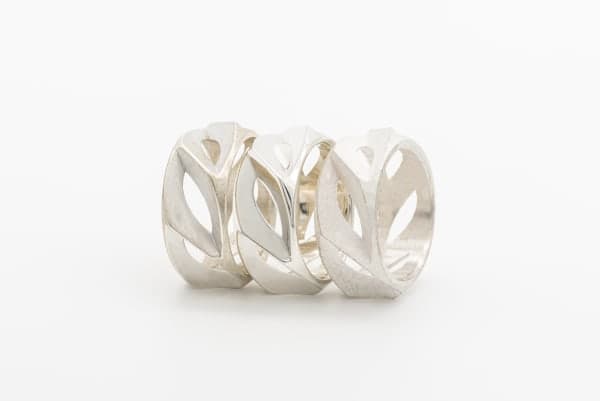
Sterling Silver
Sterling silver is the perfect material for jewelry and unique metal art pieces.
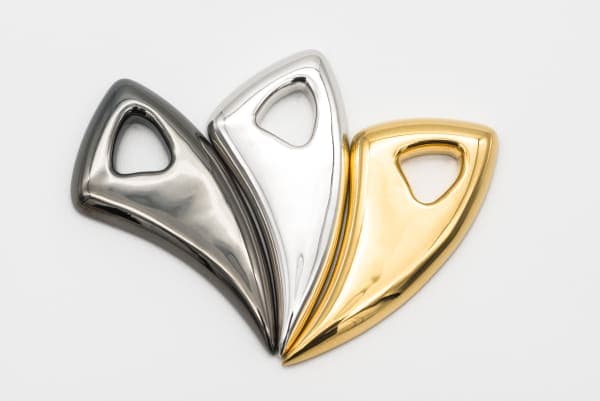
Plated Brass
Brass plated with a precious metal coating is perfect for jewelry pieces.
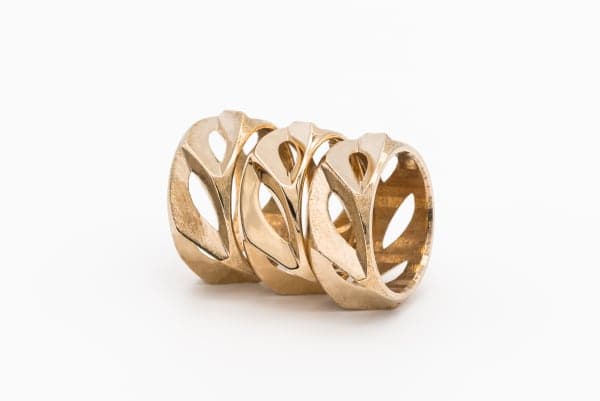
Bronze
This classic precious metal is great for antique or modern jewelry and functional parts.
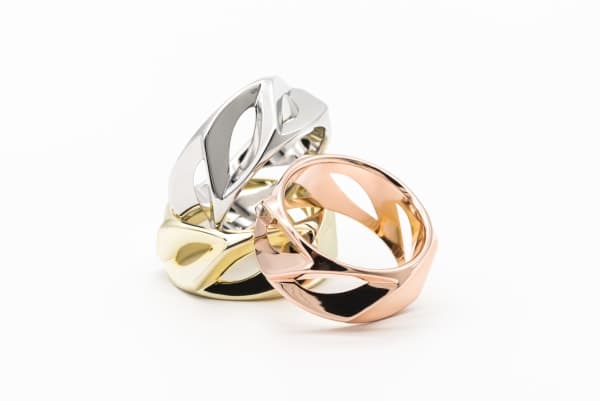
Gold
Gold is a precious metal commonly used for jewelry pieces and unique art designs.
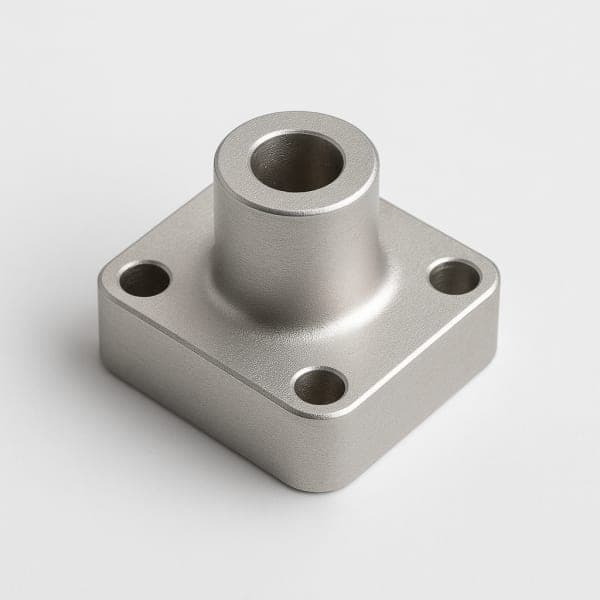
Platinum
Lost wax cast platinum parts feature a smooth, reflective silvery-white finish with exceptional strength, density, and corrosion resistance. Ideal for fine jewelry and precision components requiring premium quality and longevity.
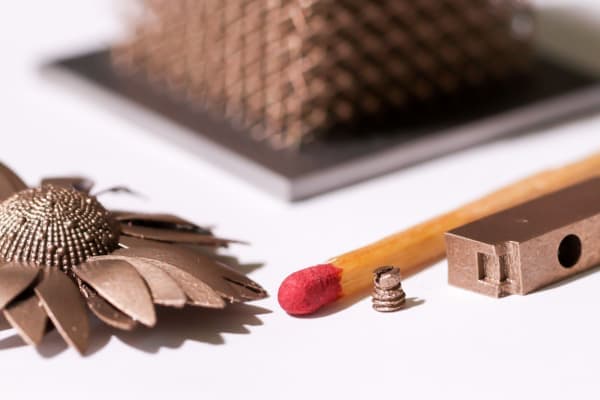
High-Detail Bronze
This high detail version of the classic precious metal is great for parts that have very small sections, such as antique or modern jewelry and functional parts.
5 materials
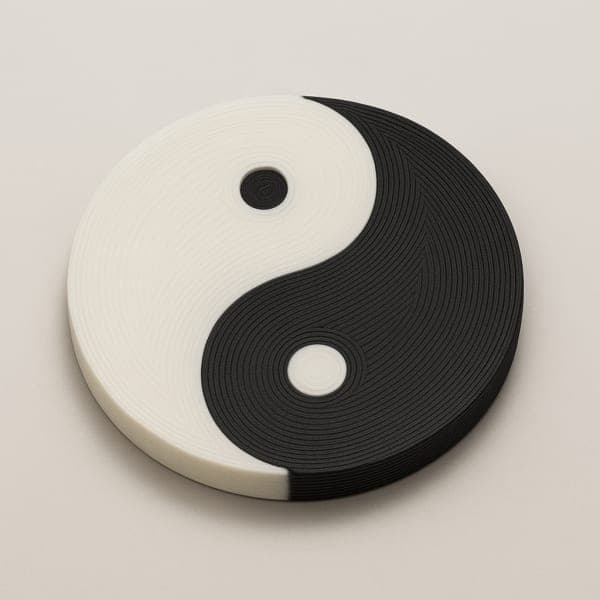
Multicolor PLA
Multicolor FDM prints made with two or more PLA filaments offer vibrant, visually striking results. Ideal for decorative or functional parts, these prints combine strong layer adhesion, smooth surfaces, and precise color transitions.
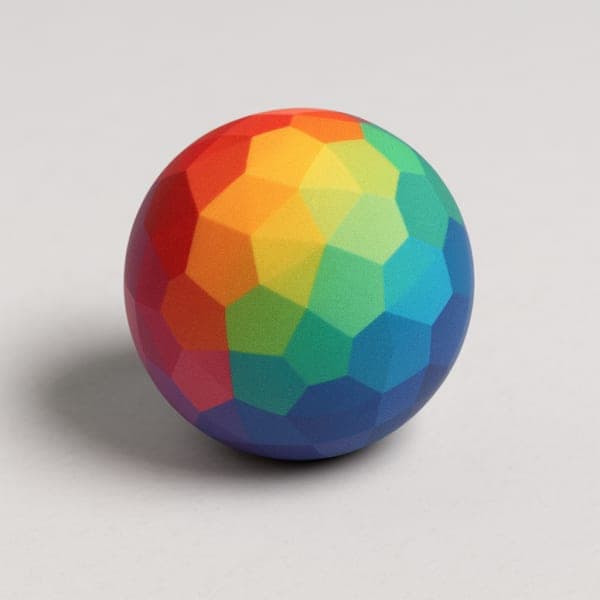
High Definition Full Color
A great material for striking visual models produced in different materials.
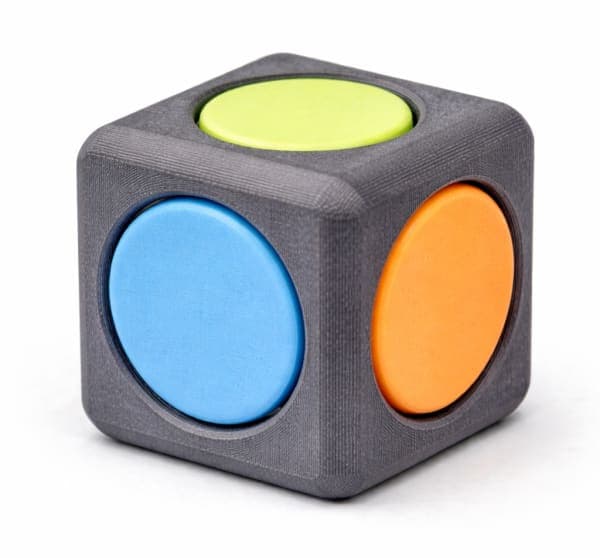
HP® MJF Multicolor
A great material for striking visual models.
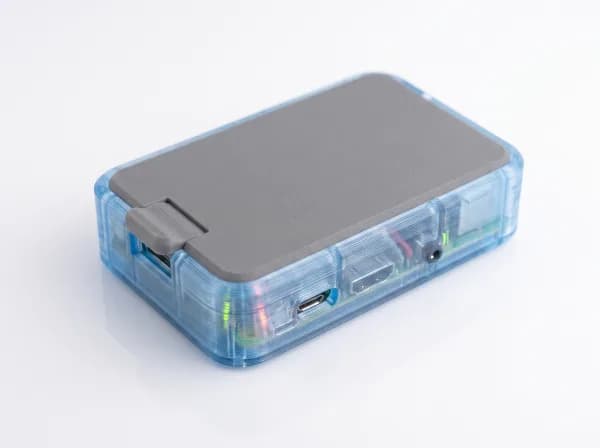
Multicolor PETG
Multicolor FDM prints using PETG combine vivid color separation with the material's toughness, flexibility, and chemical resistance. It is ideal for functional enclosures and durable prototypes that need both visual impact and everyday resilience.
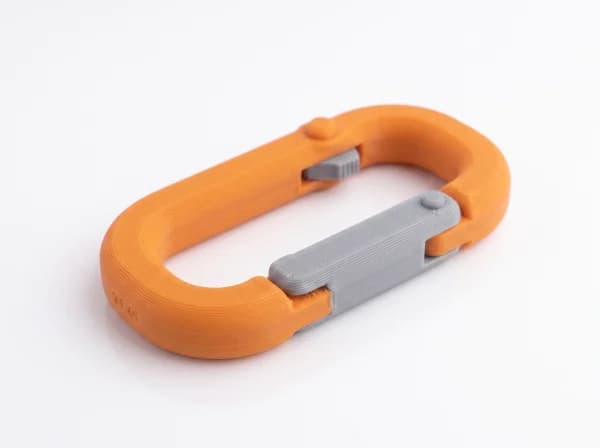
Multicolor ABS
As-printed multicolor FDM ABS has a ribbed, layered texture. Color regions are generally clean-edged, with minor bleed at color-change points. ABS has a matte look, unlike glossier PETG, and responds well to acetone vapor smoothing.
4 materials
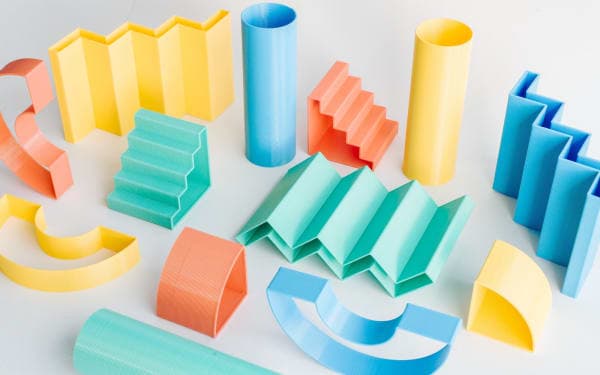
Recycled rPETG
Recycled rPETG reprocesses post-consumer or post-industrial PETG waste into new filament. It offers a sustainable alternative to virgin PETG with comparable strength, toughness, and chemical resistance.
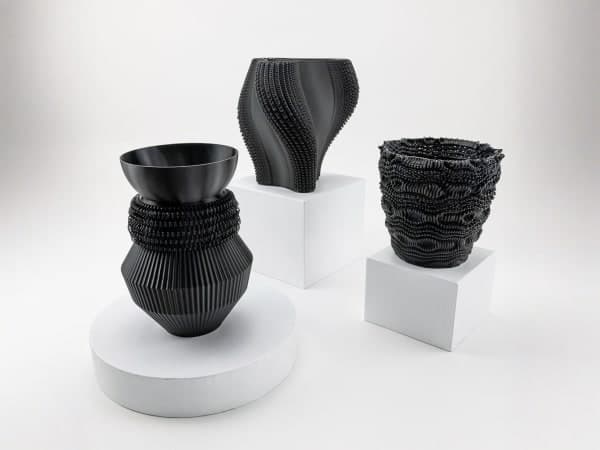
Recycled rPLA
Recycled rPLA reprocesses post-consumer or post-industrial PLA waste into new filament. It offers a more sustainable alternative to virgin PLA with generally similar, though somewhat more variable, mechanical properties.
Recycled rASA
Recycled rASA reprocesses post-consumer or post-industrial ASA waste into new filament. It offers a more sustainable alternative to virgin ASA, though it has a more limited recyclability than PLA, ABS, or PETG.
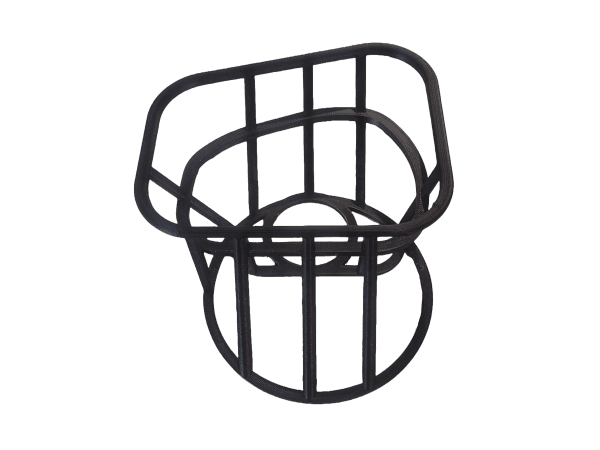
Recycled rABS
Recycled rABS reprocesses post-consumer or post-industrial ABS waste into new filament. It offers a sustainable alternative to virgin ABS with mechanical properties that hold up well through recycling.
2 materials


2 materials
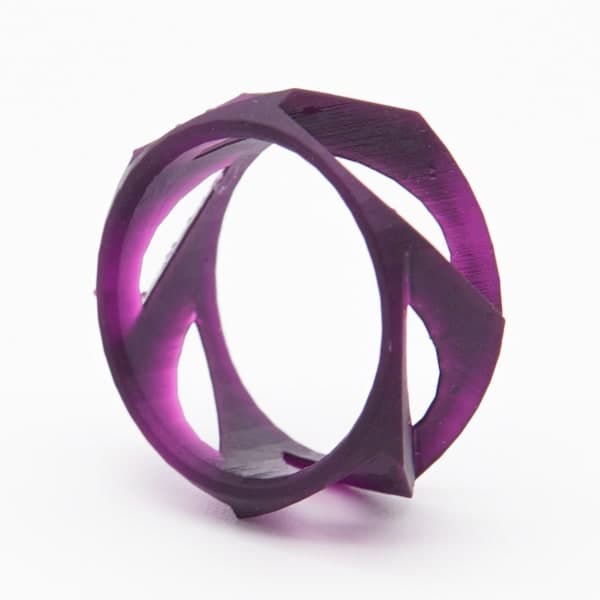
Castable Wax
Castable wax is a nearly pure wax material used to create investment casting patterns. It offers the cleanest, most traditional burnout behavior of any castable option.
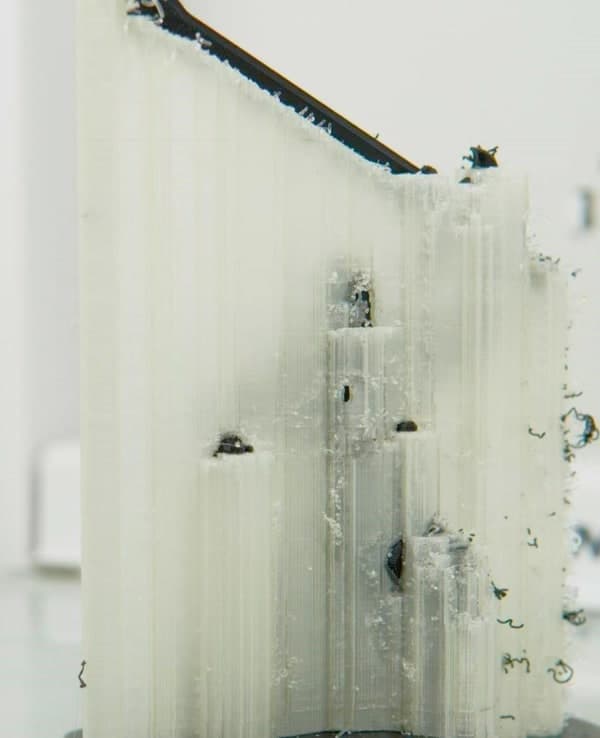
PVA
PVA is a water-soluble thermoplastic used primarily as support material in FDM printing. It dissolves cleanly in water, enabling complex geometries, internal channels, and delicate details that would be difficult or impossible with breakaway support.
4 materials
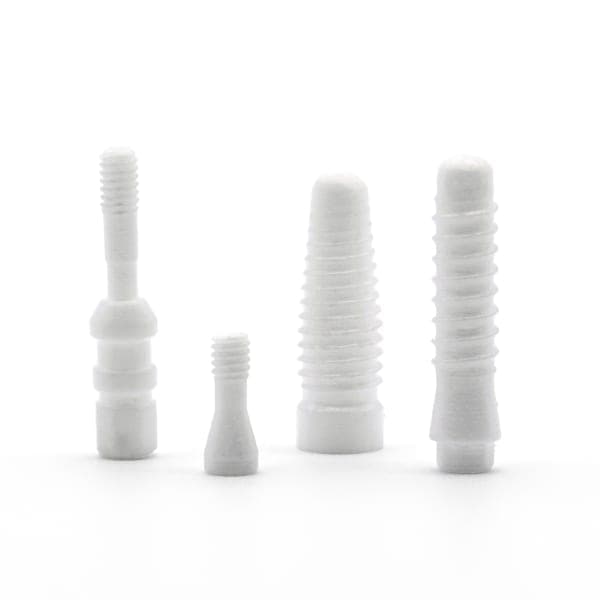
LithaCon 3Y 210 ZrO2
LithaCon contains zirconia stabilized with 3 mol% Yttria. Some of the mechanical highlights of these materials are their excellent flexural strength (> 1000 MPa), fracture toughness, resistance to abrasion, and thermal shock resistance.
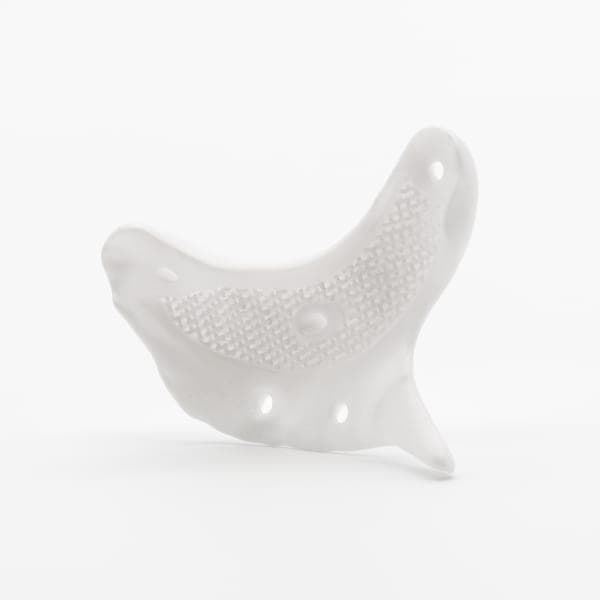
LithaLox HP 500 Al2O3
Lithalox HP 500 contains a high-purity (99.99%) aluminum oxide (alumina) material and is characterized by its high density, a favorable 4-point bending strength, and exceptionally smooth surface quality.
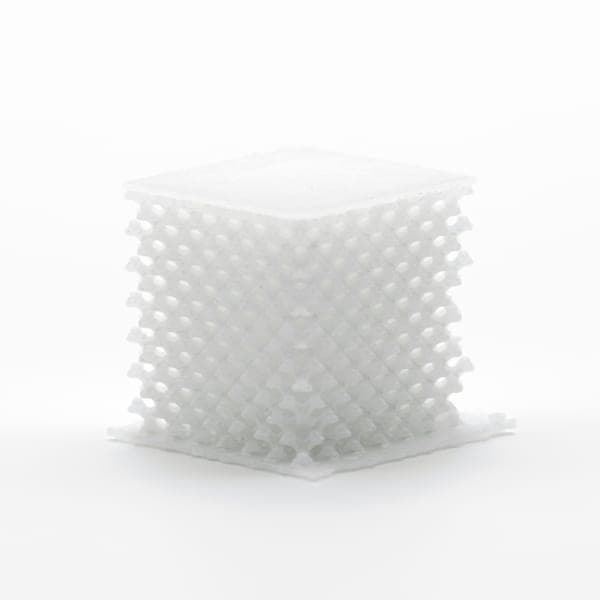
LithaBone TCP 300
LithaBone TCP 300 contains a beta-tricalcium phosphate (ß-TCP) based ceramic which in the right setting, enables implants with defined pore geometries. The material can be resorbed by the body and replaced by new bone.
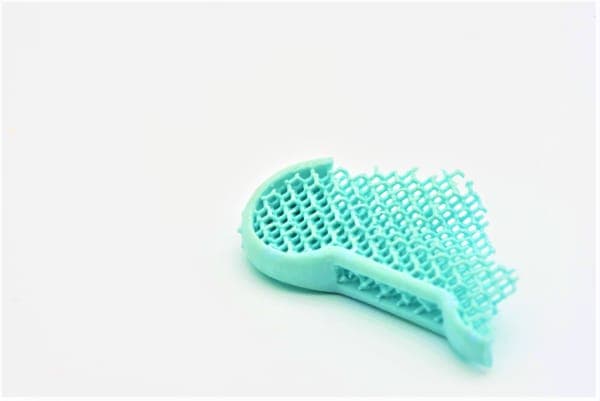
LithaBone HA 400
LithaBone HA 400 contains a ceramic material based on hydroxyapatite (HA). With a relative density of 85% and a corresponding porosity of 15%, it is perfect for bioresorbable applications. The HA powder is certified ASTM standard F1185-03.