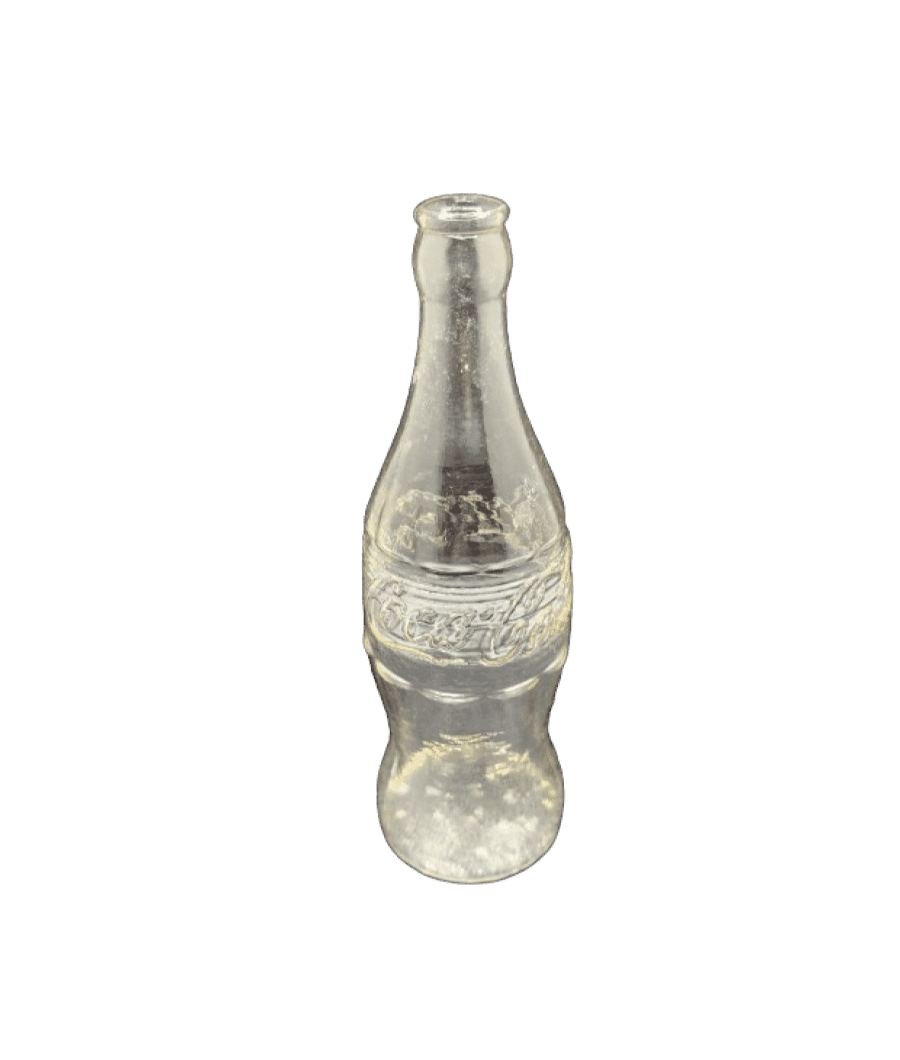
PVB
Engineering Plastics
Impact resistantSmoothVisualFunctional
PVB (Polyvinyl butyral) is known for its excellent adhesion, transparency, and flexibility. It offers superior layer bonding, reducing the likelihood of warping or deformation during printing. It offers a smooth finish and can be post-processed with alcohol for a glossy appearance. Its flexibility and strength make it ideal for creating durable, impact-resistant objects. Common use-cases include protective gear, eyewear, and automotive parts. It can be used for applications requiring both aesthetic appeal and functional performance.
Available finishes
Each finish can be combined with the available colors at checkout.

Standard Smooth
7 colorsThe standard (as-printed) finish on FDM parts shows the natural texture of layer-by-layer printing. The visibility of the layer lines depends on part geometry and orientation, plus light marks where support material was removed.

Glossy
7 colorsVapor smoothed PVB with a smooth and glossy surface.